

Caring made simpler-
for families, freinds & communities.

Across Norway, around 1.5 million adults have a caregiving role for someone they love. When you realise these are typically ordinary people - family members, friends, community volunteers and not paid professionals - you start to appreciate the scale of unpaid, often unsupported home caregiving sector.
For many, this means juggling work, family or social life with visits, countless calls, texts and FaceTime check-ins just to confirm everything is okay that day; and thats before settling the loved one for the night.
Add to that endless on-their-behalf calls for appointments, dealing with municiple authorities, welfare, pharmacy visits, banks & services, chasing letters, filling in forms and the responsibility quickly becomes overwhelming.
Tasks disappear into a fog of group chats, misunderstandings build between siblings, and the caregiver ends up carrying the stress, guilt and all responsibility alone. That’s quite a price to pay for caring for someone you love.
Well, that’s all about to change.
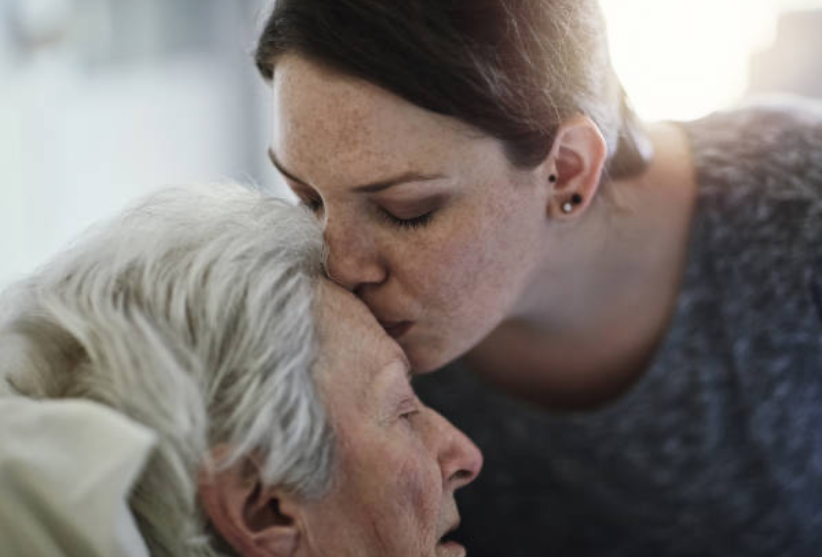
We’re Passepå-
a Norwegian startup building the Care Team Workspace.

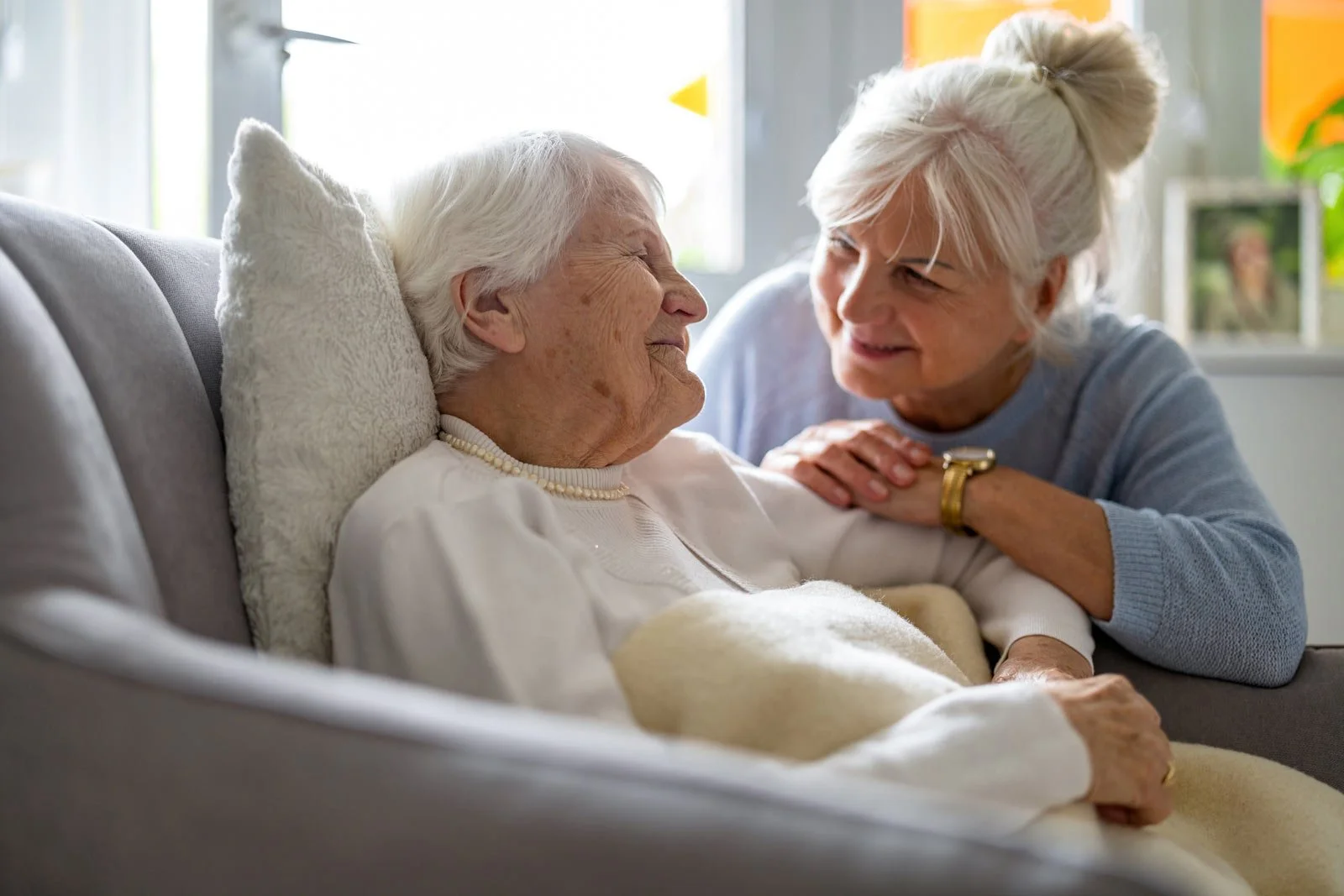
Making your time together the best it can be
Passepå is a shared workspace that helps families and care teams look after loved one’s ageing at home by providing administrative help, practical guidance and emotional support.
It’s designed to reduce the stress and fatigue that so often comes with caregiving, so you can spend less time managing and more time making your moments together - the best they can be.
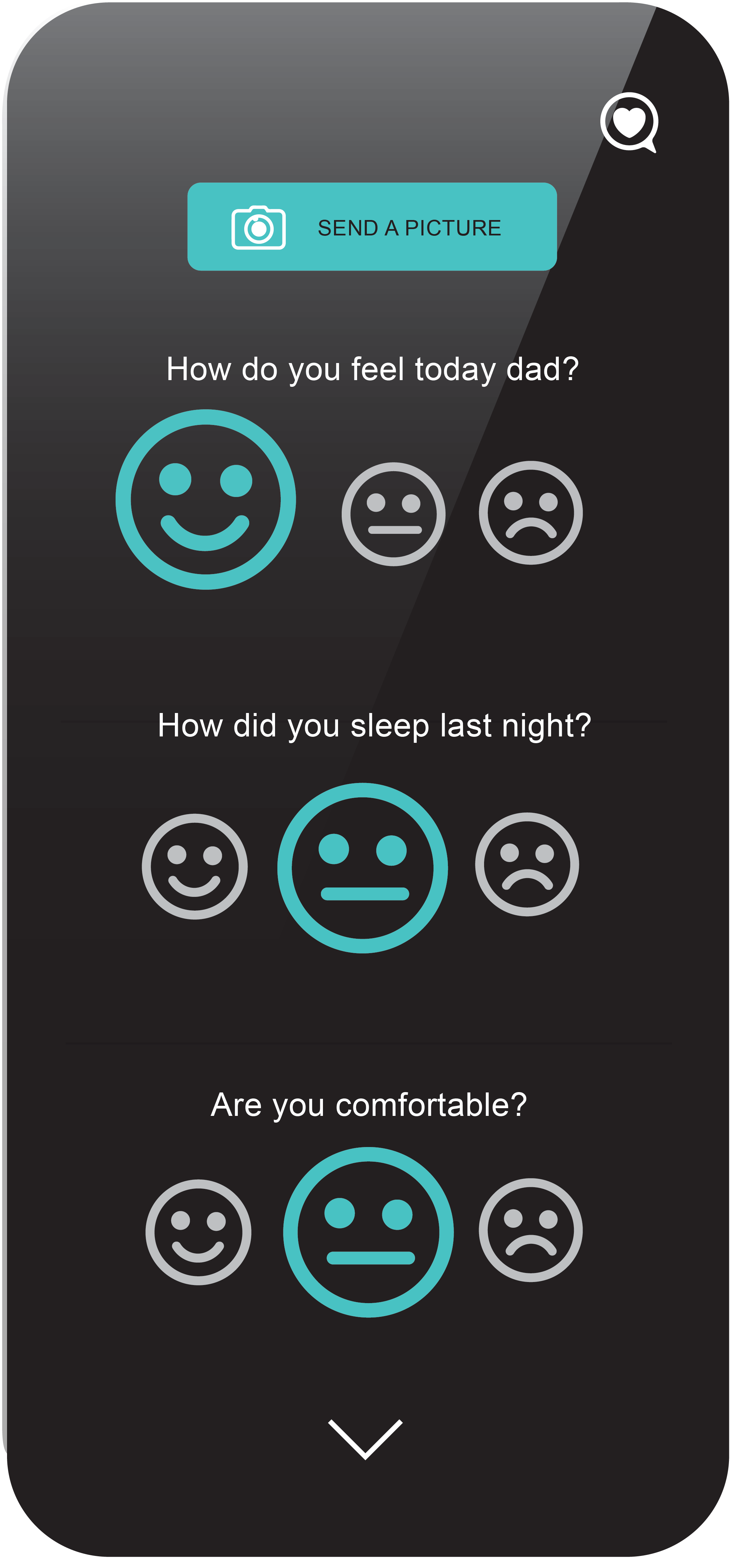
With your loved one’s permission, Passepå captures simple signals about daily routines and wellbeing—through check-ins, notes and if available, updates from existing services or welfare technology.
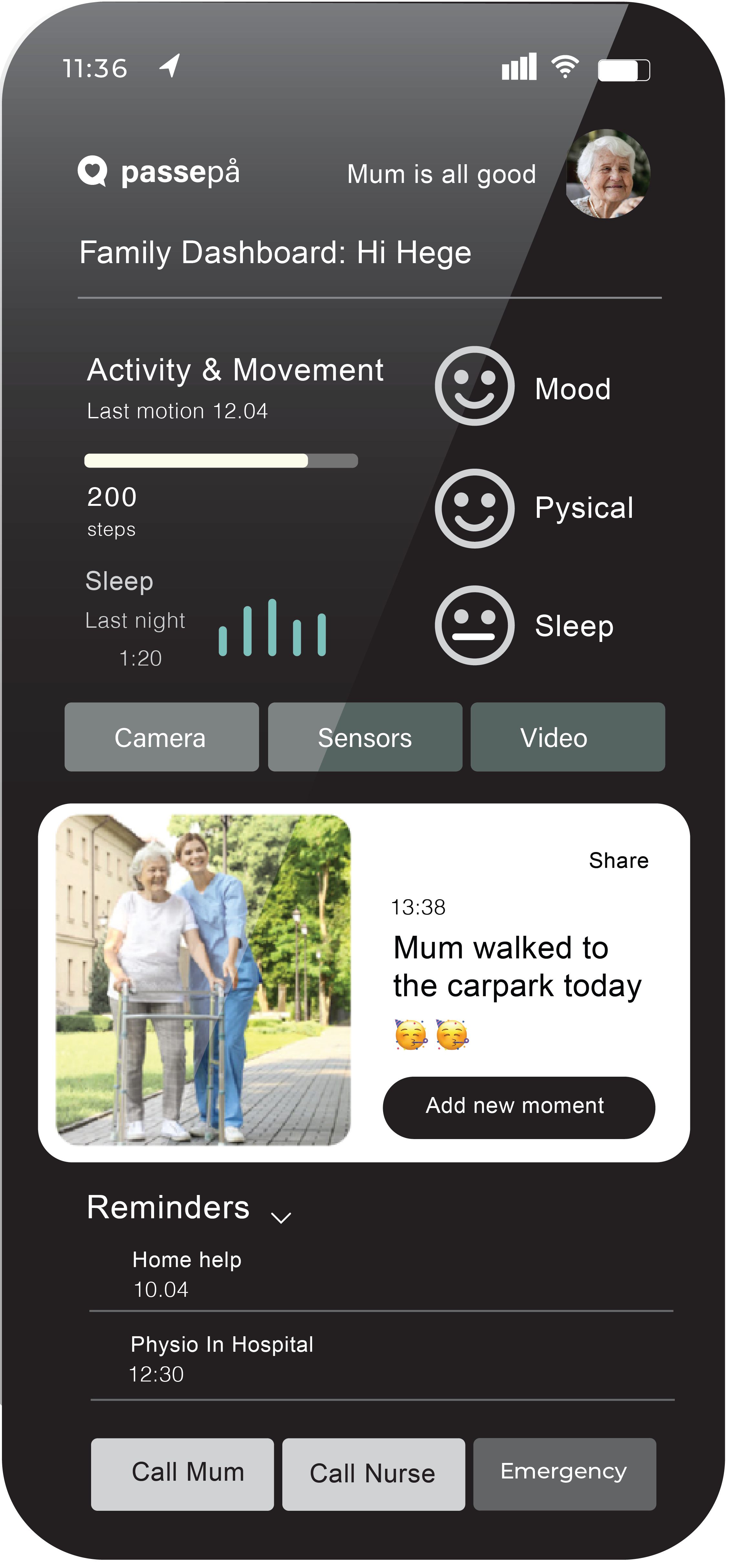
Secure, AI-assisted insights help spot small changes early and suggest practical next steps—so families and care teams can respond sooner, with less stress and less guesswork.
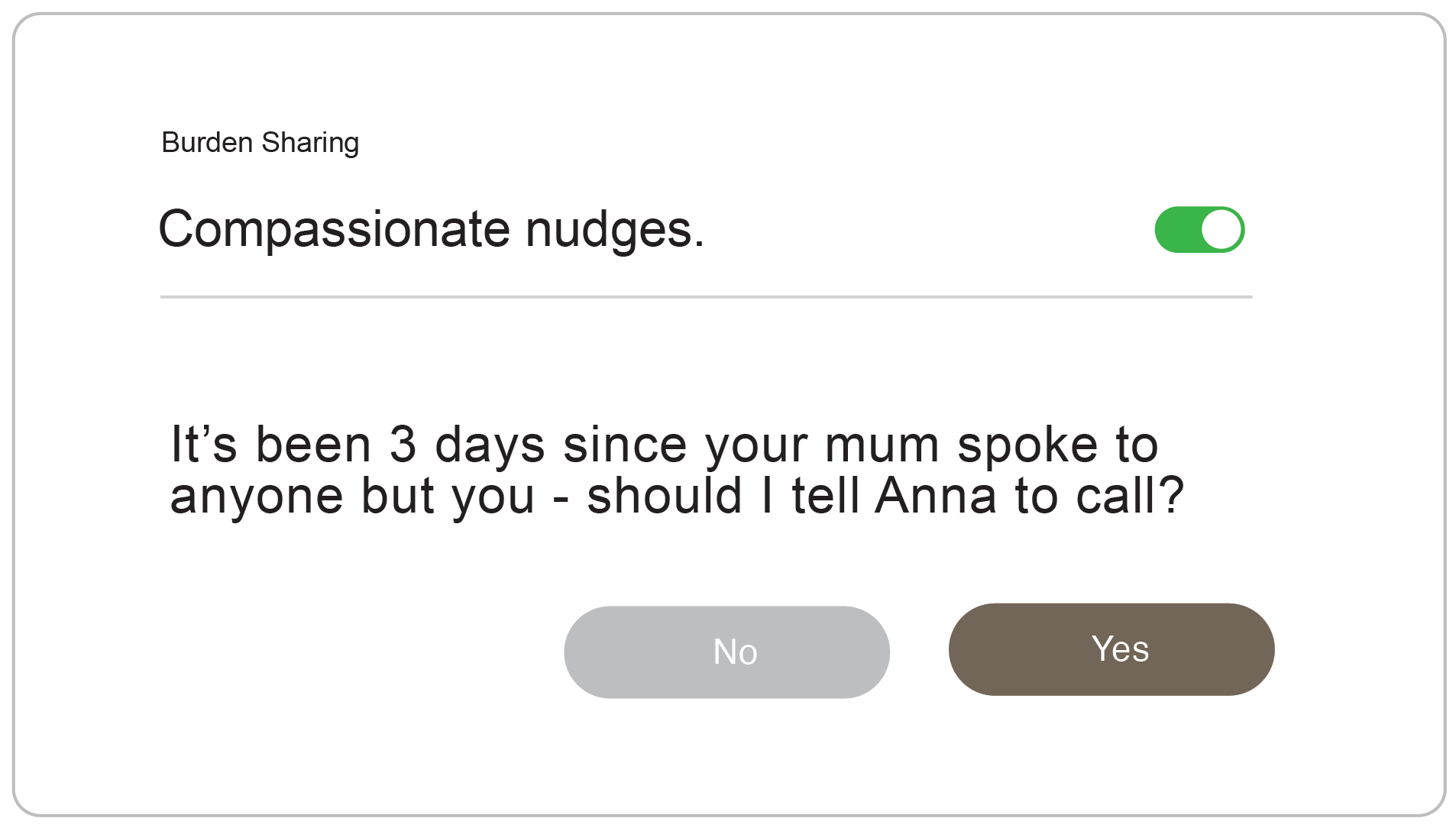
Passepå as part of a family care-plan gives:
Less confusion: one shared plan, clear responsibilities, and agreed next steps
Fewer missed handoffs: tasks don’t disappear into calls, texts, or memory
Earlier check-ins: gentle prompts help caregivers decide when to follow up
More reassurance: caregivers feel supported, not alone
Good to know
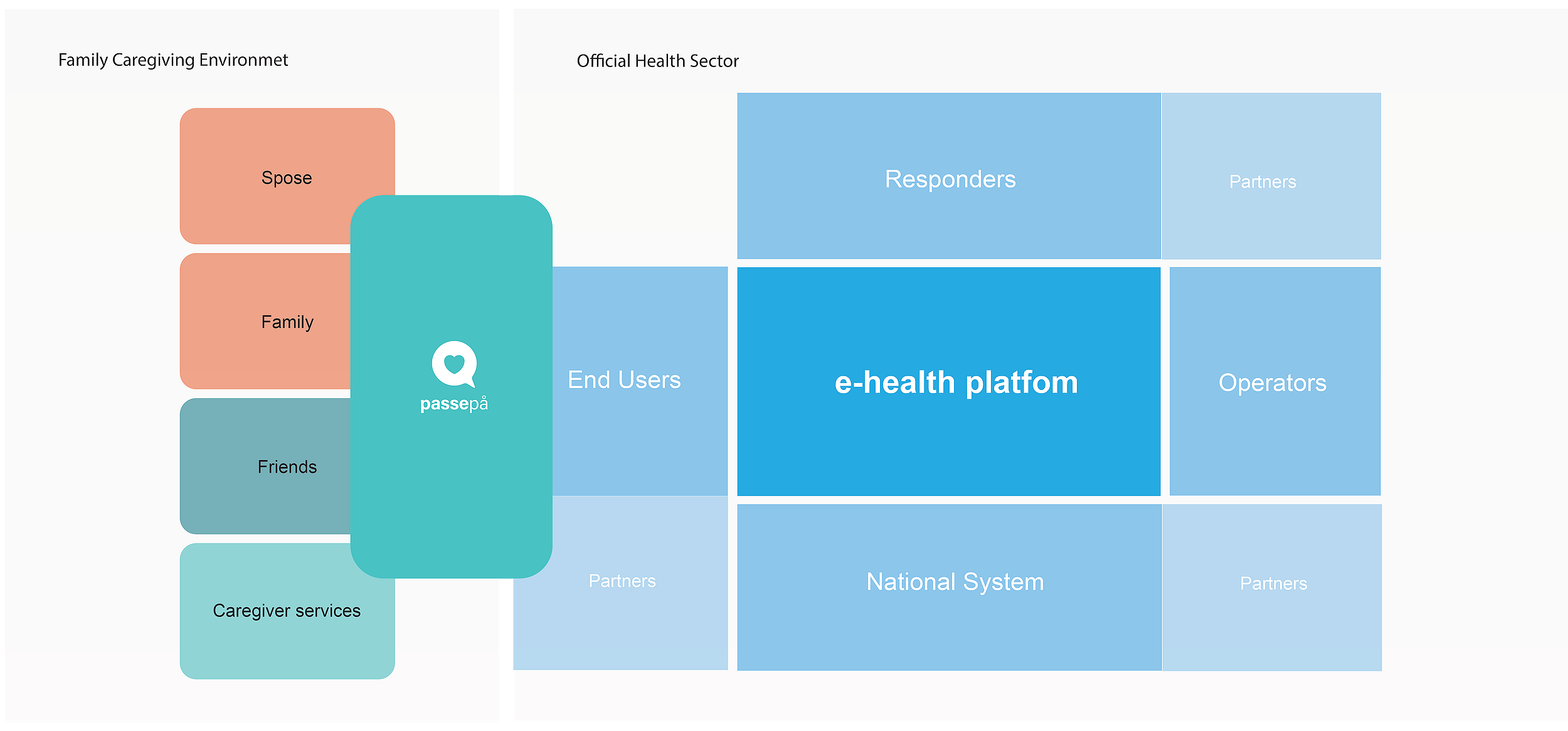
Passepå is purposefully designed as a shared digital workspace that works alongside Norway’s secure welfare-tech infrastructure and municipal clinical systems, enabling families to benefit from technology without creating a parallel clinical or medical record system.
Passepå does not collect, store, share, or distribute personal health information or medical records, including special category personal data pursuant to Article 9 of the GDPR, that under Norwegian law may only be processed by authorised health and care services.

Enabling ordinary people to become - extraordinary carers.
Passepå isn’t a new clinical system - Passepå is a care team workspace designed to sit along side today’s new a secure welfare-technology infrastructure and allow ordinary people to utilise technology to amplify their own care routines.
Non-clinical by design—Passepå does not store medical records; official health info is viewed in the source service (not stored), aligned with Norway’s standards (ID-porten / HelseID where relevant, HL7 FHIR, SMART on FHIR patterns).
Bo trygt hjemme
Privacy & safety
Data-minimised: no medical records stored; caregiver notes and plans stay in Passepå.
Identity: ID-porten/HelseID (OIDC + PKCE; FAPI-aligned).
Standards: FHIR/SMART for future interoperability.
AI posture: assistive, human-in-the-loop; no autonomous clinical decisions.
Passepå is specifically designed to complement “Bo trygt hjemme” reform coordinated by Norwegian Directorate of Health.
Our mission is to utilize technology to enable loved ones to age safely at home by providing family and community caregivers with a level of support and coordination previously unimaginable.
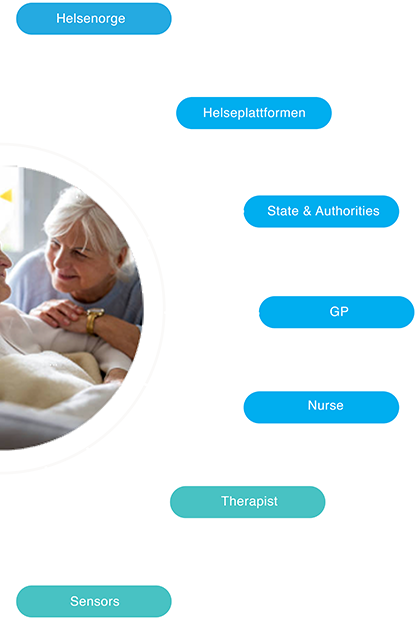
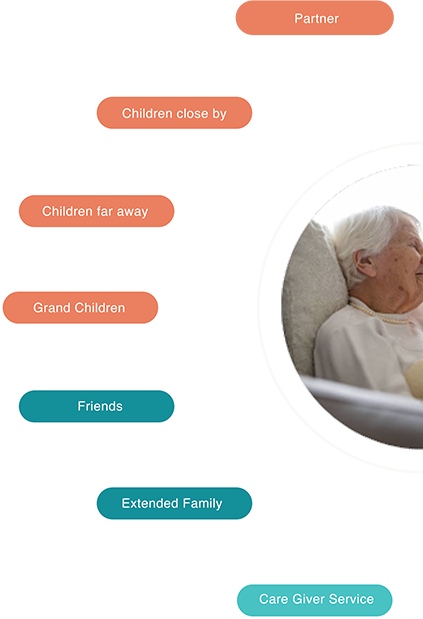
Passepå circle-of-care is the one place for everyone and everything:
One place — no jumping between apps or logging into different portals
Full overview at a glance — mood, wellbeing, appointments, tasks and when connected, summaries from connected services
Families and loved ones connected: calls, messages, video calls, chats & moments of joy
Clear “who to call first” — no confusion when something feels off
Shared plan for everyone — families, carers and services all on the same page
Early heads-up — small changes highlighted for the caregiver
Services navigation - who to call and how to get things done - from wheelchair applications to transport and home aids
PassePå doesn’t replace public services or welfare technology — it helps families and communities coordinate around them, with the older person’s privacy and consent at the centre
Key features:
Caregiver Dashboard
Sleep, movement and mood at a glance. You can customize the dashboard to your preferences. Add medication and appointment reminders.
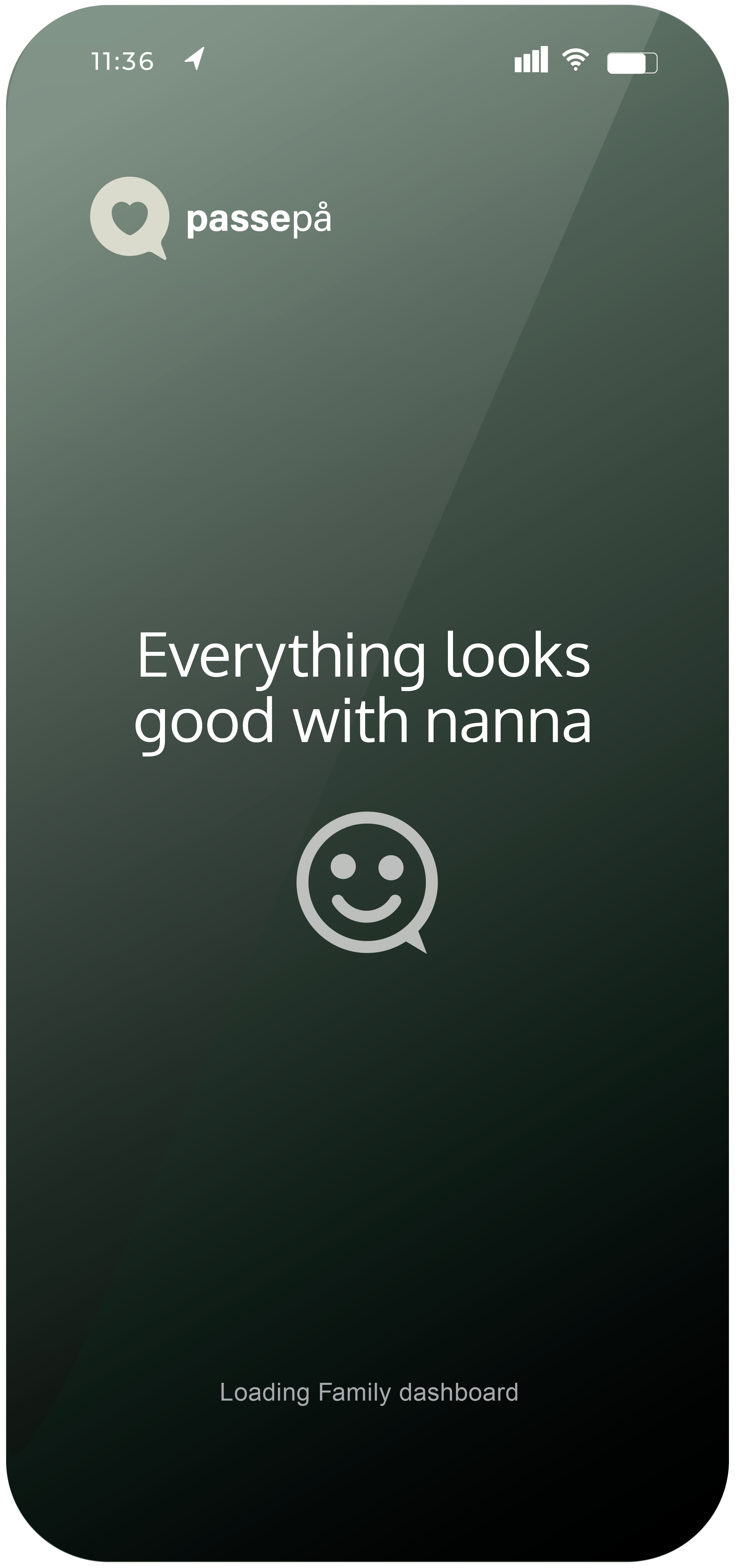
It’s a shared workspace for updates and coordination. Send messages and photos, hold video conversations with your loved ones, and communicate with the entire care team without switching between different apps, making it simpler to care – wherever you are.

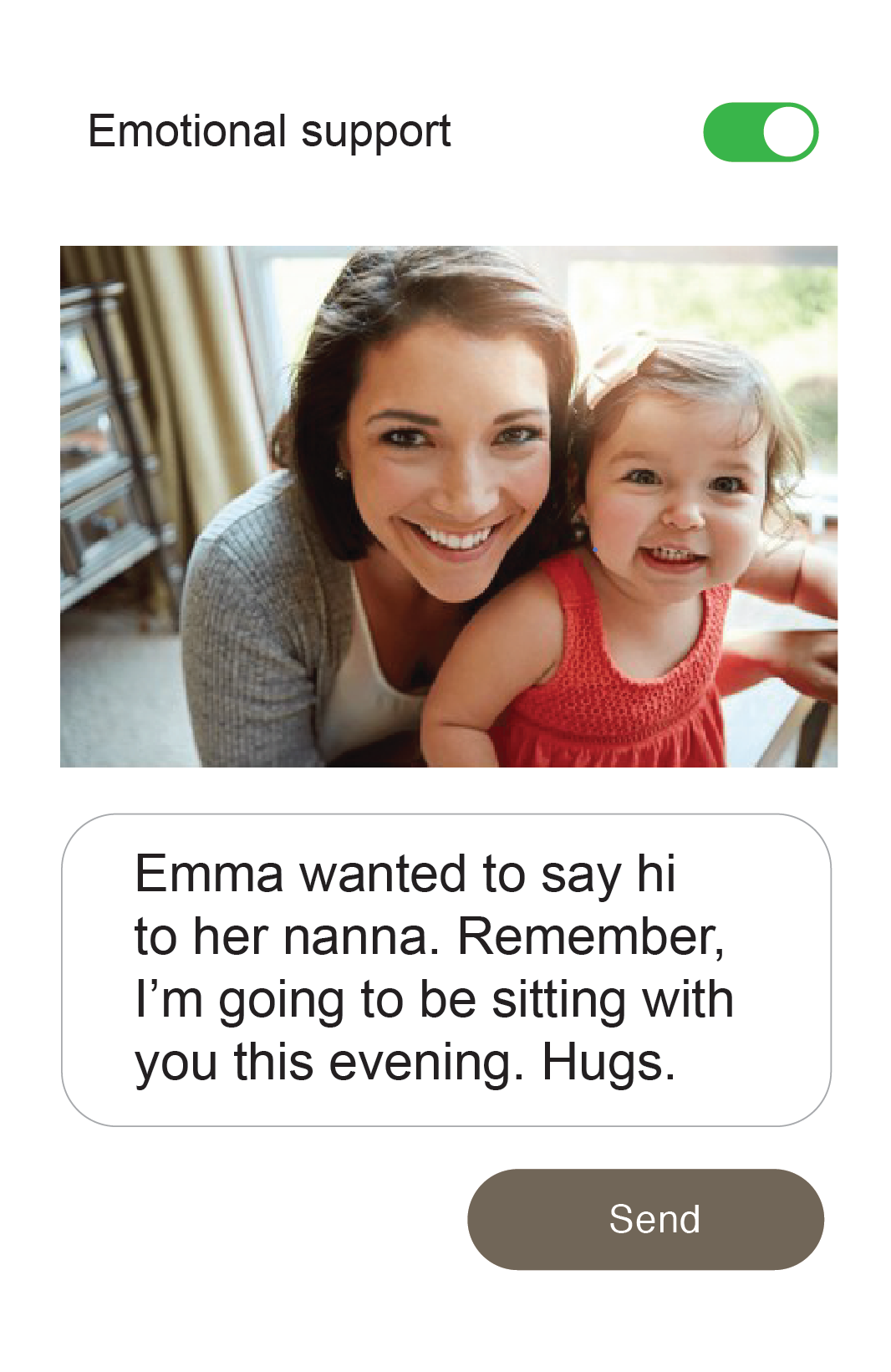
Making caring simpler - for everyone involved
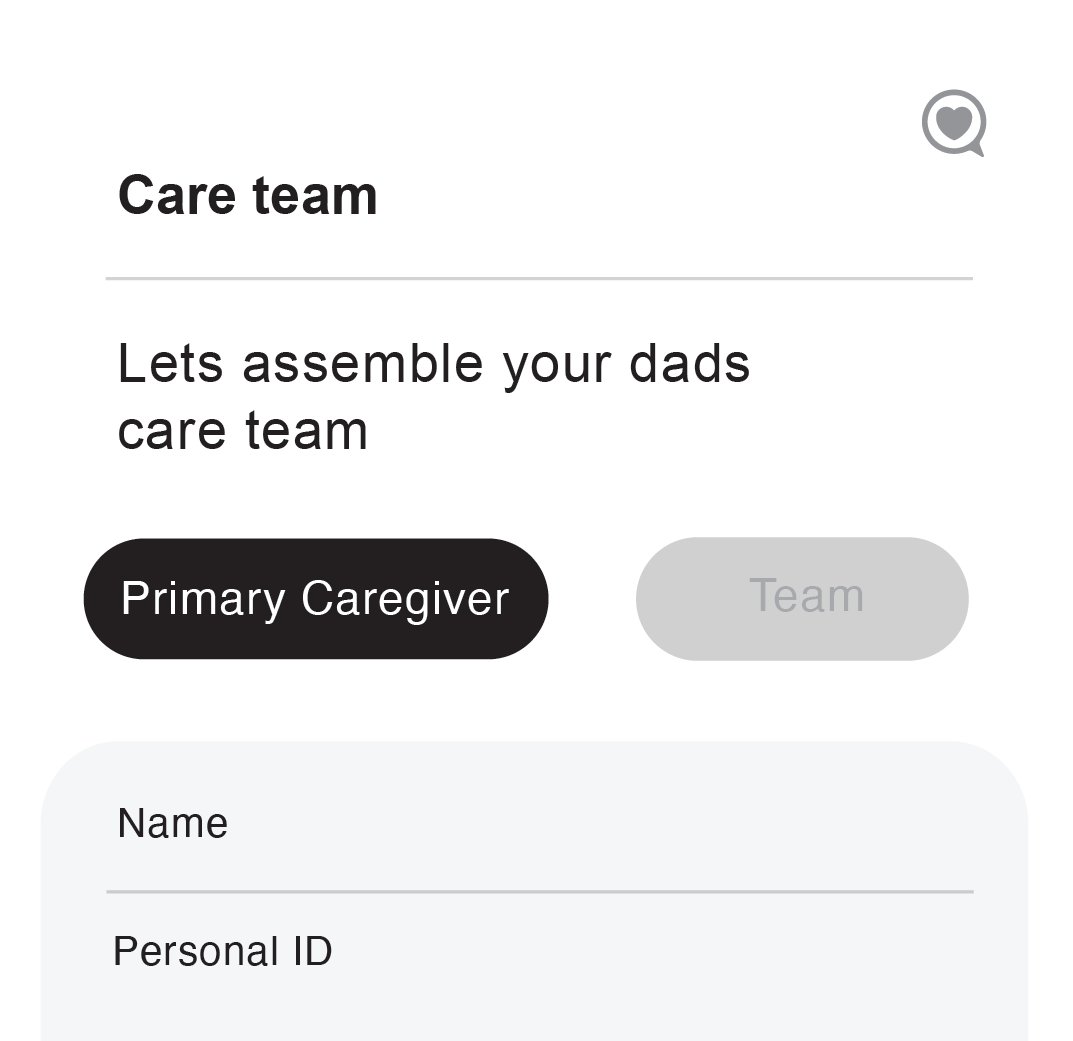
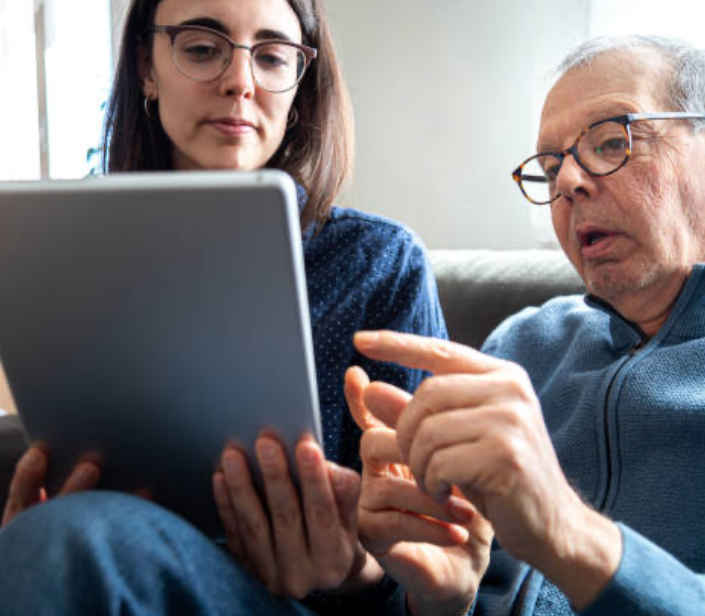
Designed for individuals & family care teams to work and care together.
Choose your care team, set clear roles, and decide who’s in the loop. Add a nurse or a municipal contact, address and contact details for GP and other key critical people you’d like in the care circle.
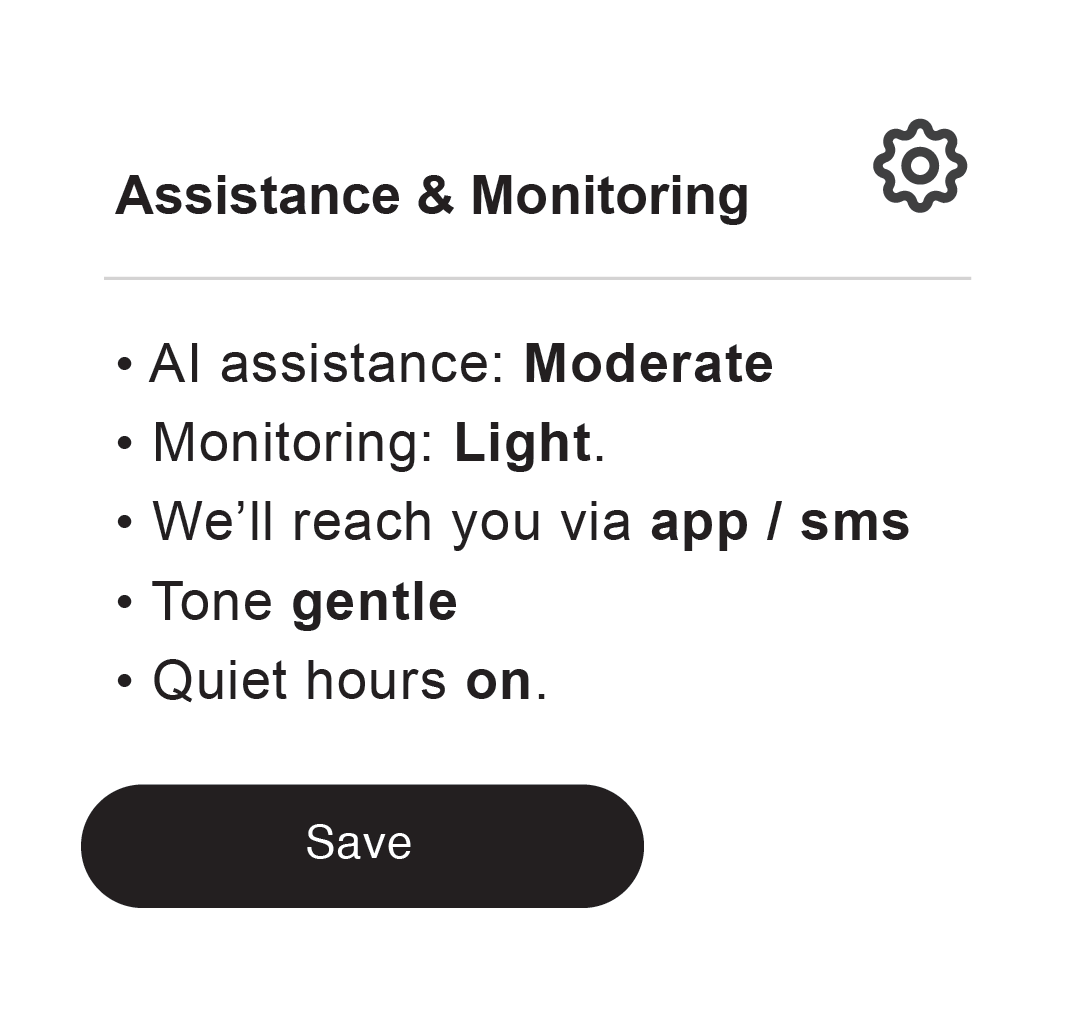
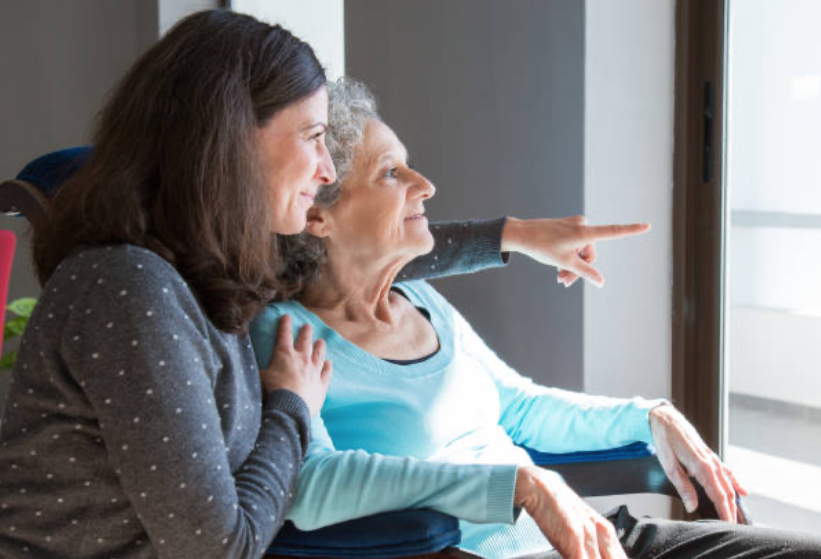
AI-assisted caring shares the burden whilst keeping you informed - and in charge.
You decide the balance between independent living and supportive caregiving. You can start simple and add more automated assistance as needs change. Our human-in-the-loop AI ensures you’re always in control.
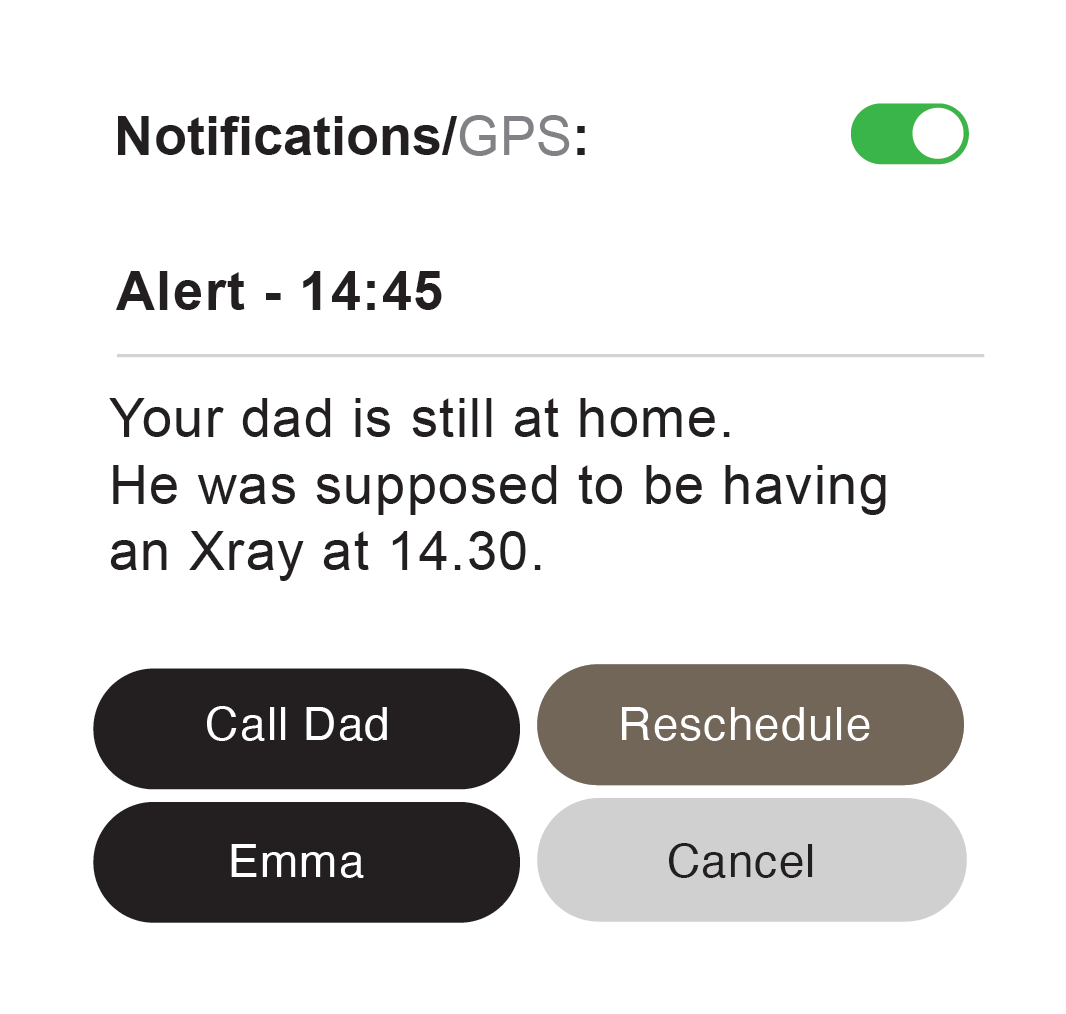

Carer support and assistance
We’re here to make caring as stress-free as possible. We’ll keep you notified and offer solutions, help you reschedule appointments, and keep track of who’s done what and who’s paid which costs.
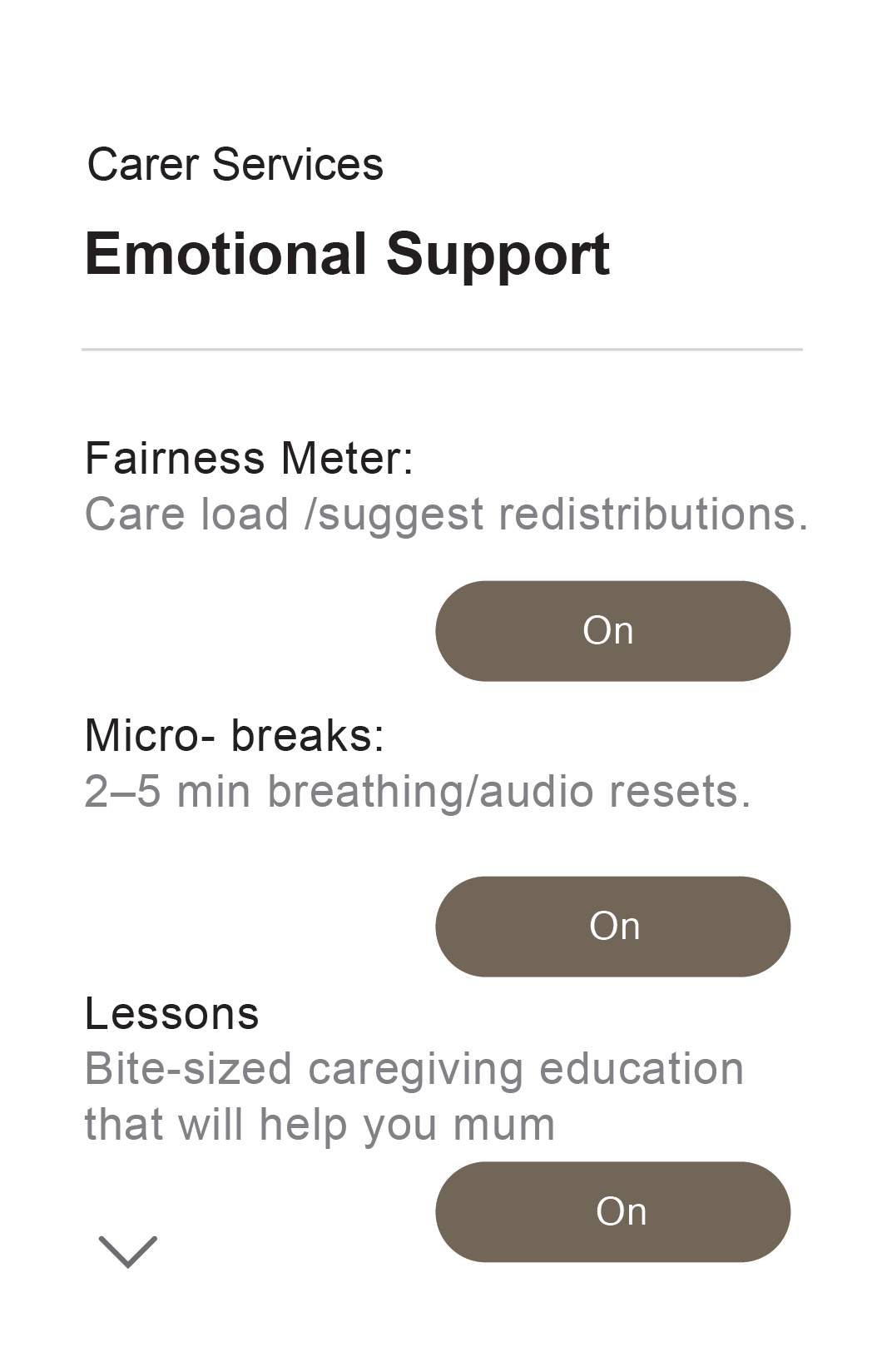

Carer encouragement and welbeing
Balancing work, family, and caring for a loved one can be hard enough as it is. Passepå can reorganise your calendar, write emails to the authorities, and even order food to be delivered. We’re here to help.
AI-Care Assistance
Spot small changes early, so you can act faster.
Ai / Digital support tools

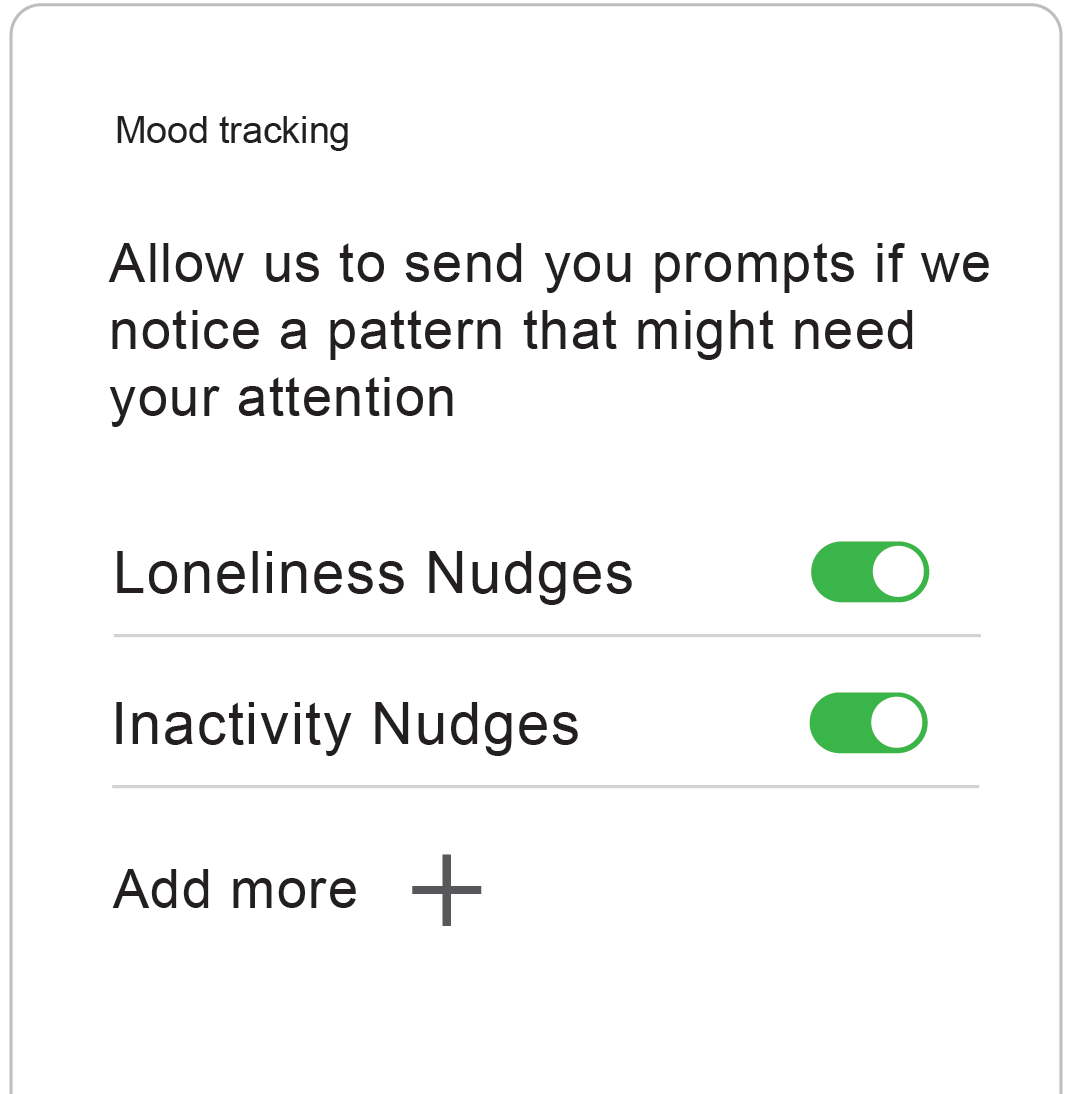
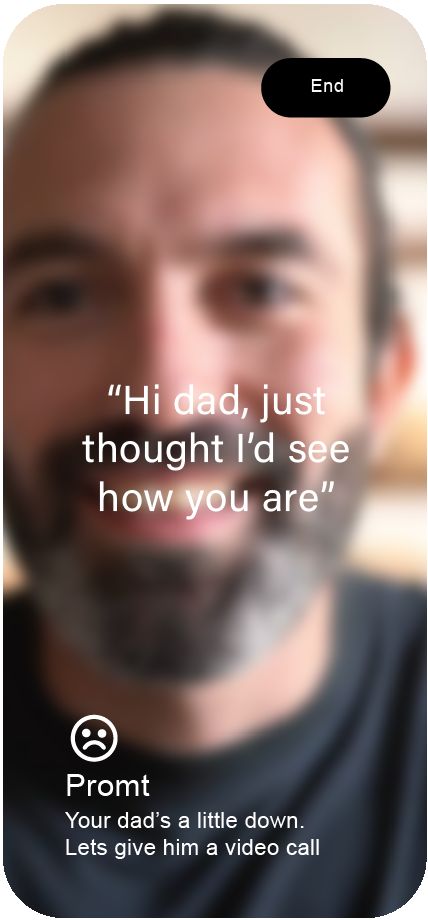
We use assistive, human-guided AI to equip the next generation of carers with the tools they need to deliver a completely new dimension of home care – such as voice sentiment analysis to recognise signs of sadness, fatigue, or confusion and offer a gentle promt to the caregiver.

Here’s what AI helps with:
Summarise notes and check-ins into a simple weekly overview
Organise tasks and responsibilities across the care circle
Draft messages and questions for professionals or services
Highlight changes over time in caregiver-tracked routines (non-clinical)
Suggest practical next steps and reminders (human-led)
Here to care for you too!
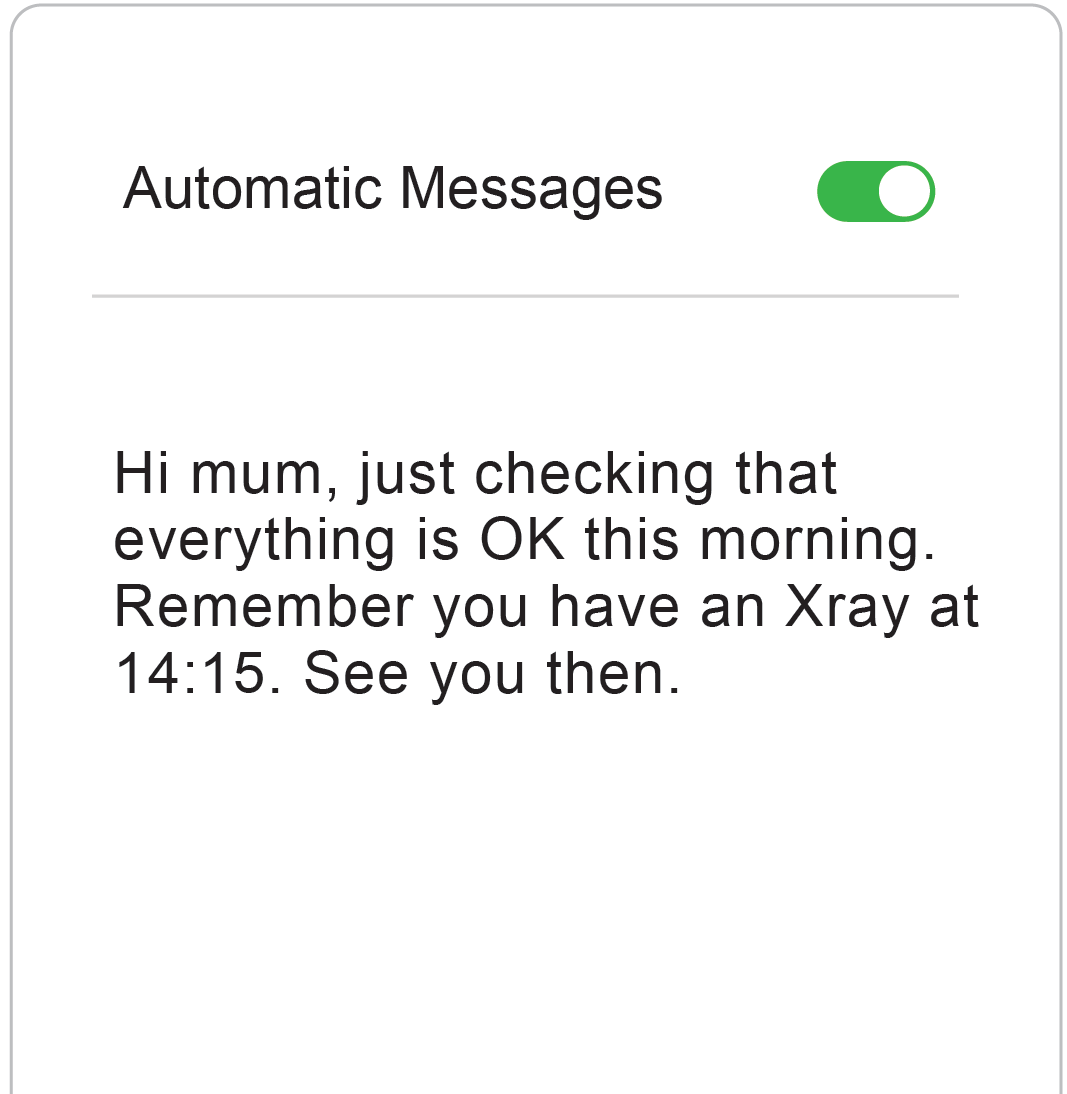
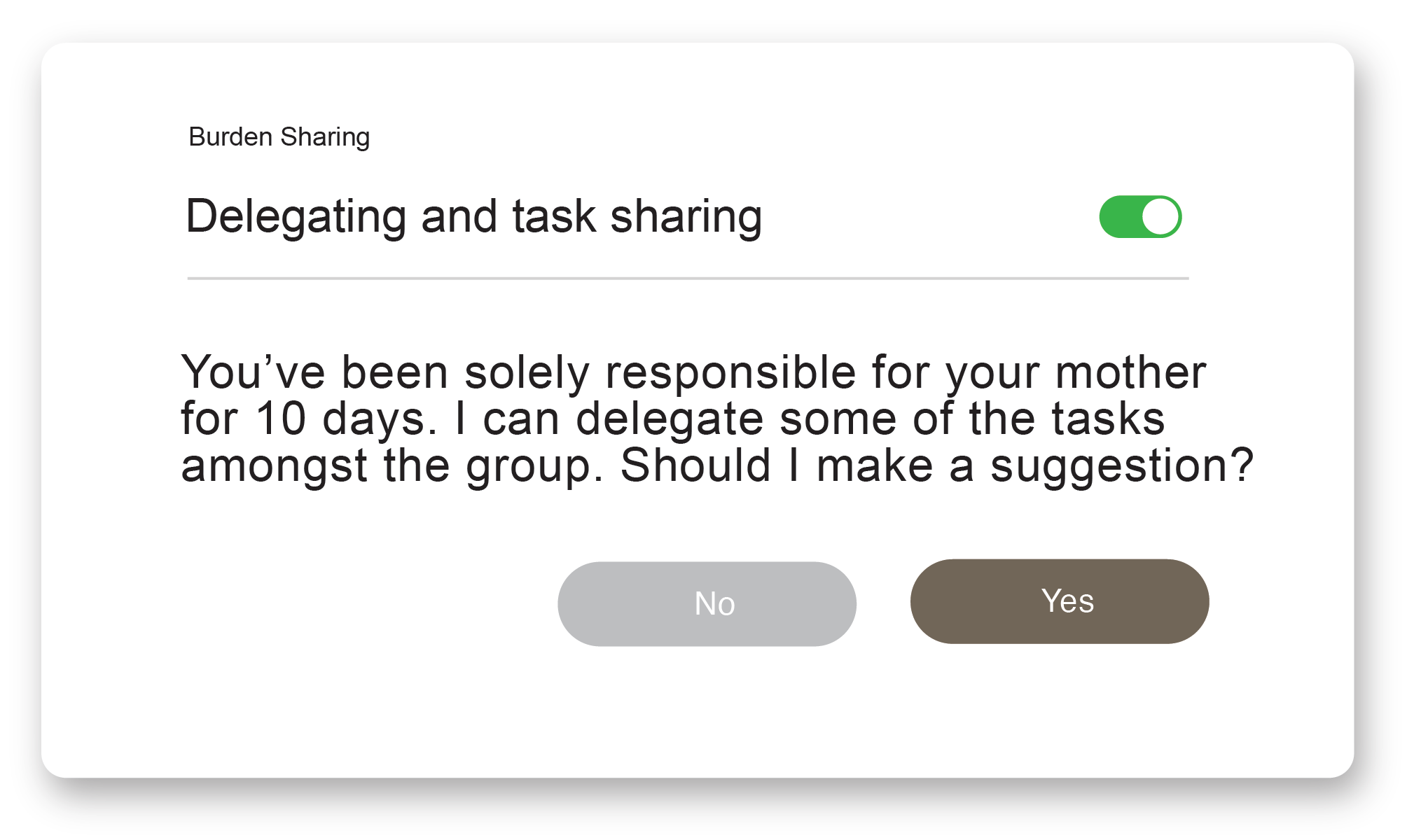
Our AI caregiver is here to help you as much as your loved one. Let it share the responsibility for the mundane tasks and give you more time to focus on what really matters.

Combating Loneliness with integrated companionship support
Small, everyday supports that add up to better mood, calmer days, and richer connection. PassePå will be cooperating with trusted supliers bringing together gentle media, memory capture, social touchpoints and simple routines - all integrated into Passepå.
Did you know
Older adults who are socially isolated with no partner or infrequent contact with children and family have a 15% higher risk of early death.
ANorLAG Ageing and Generations Study
Additional Modules
Music, podcasts & audiobooks to keep your loved one company during quiet hours. Familiar music reduces agitation and sparks reminiscence.

On-demand conversations with AI Welbeing Companions offer 24/7 conversations and support for both seniors, and caregivers.

Here to help you cope


We’re teaming up with your favorate local services to deliver food and groceries to you, your family and your loved one when the pressure of caring becomes too much. You won’t even need to open the Passepå, just use our voice activation, say what you want and we’ll do the rest.
Pipelined:
Insurance & benefit integration (NAV, municipal grants)
Financial guardianship / bill monitoring
End-of-life planning vault (documents, wishes)
Community & volunteer connection module (“Friendly visitor nearby?”)
Dementia mode (simplified interface, memory prompts)
Integration with Nordic AI voice assistants (Tromsø/NIVA, etc.)

Community caring
Caring for those who live alone
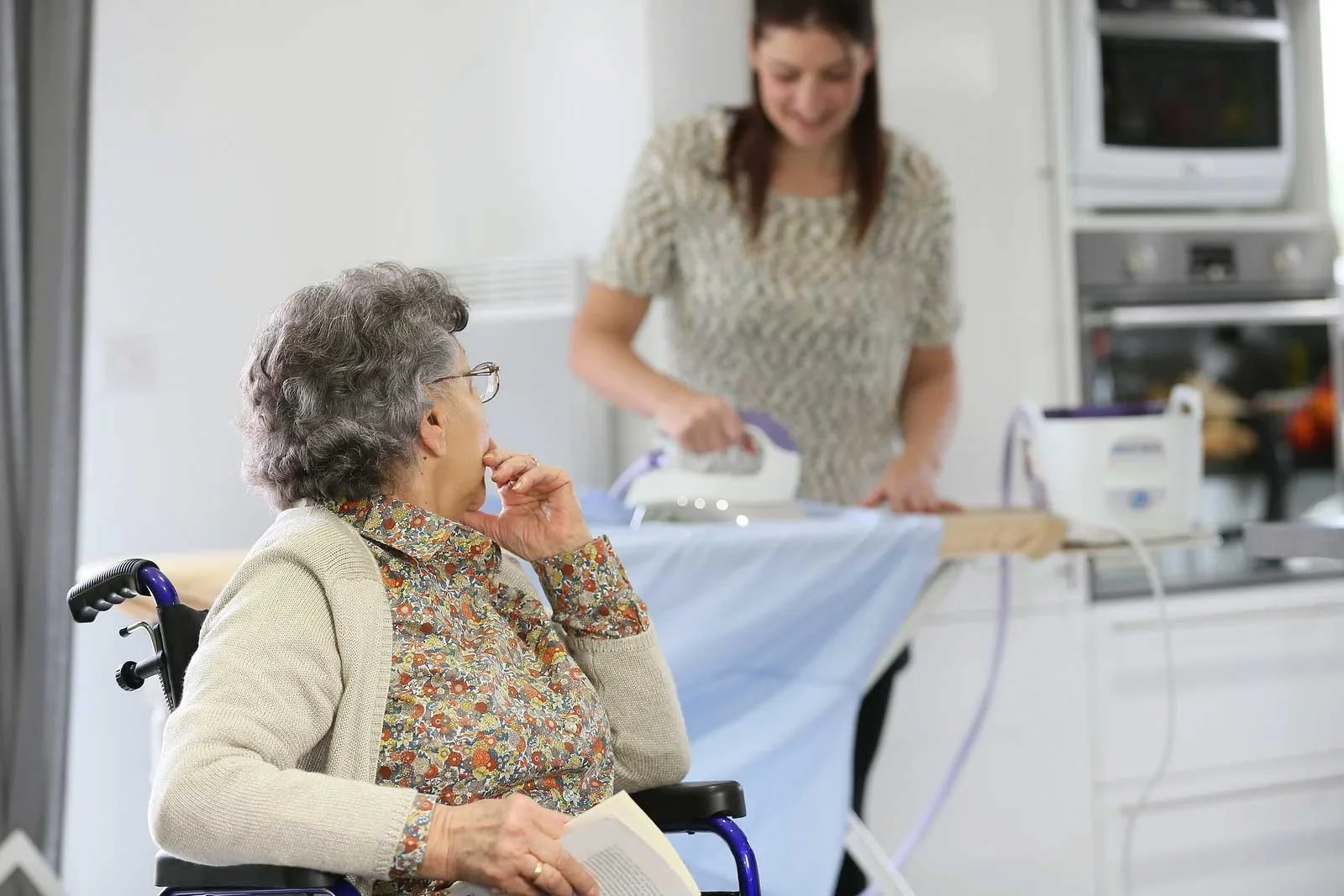
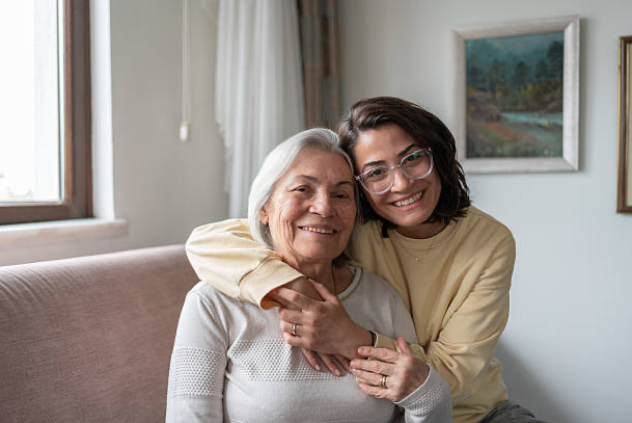
Not everyone has close family nearby — and many people live alone. In Norway, everyday support often comes from the nærmiljø: neighbours, friends, and local helpers who simply look in, lend a hand, and make life easier.
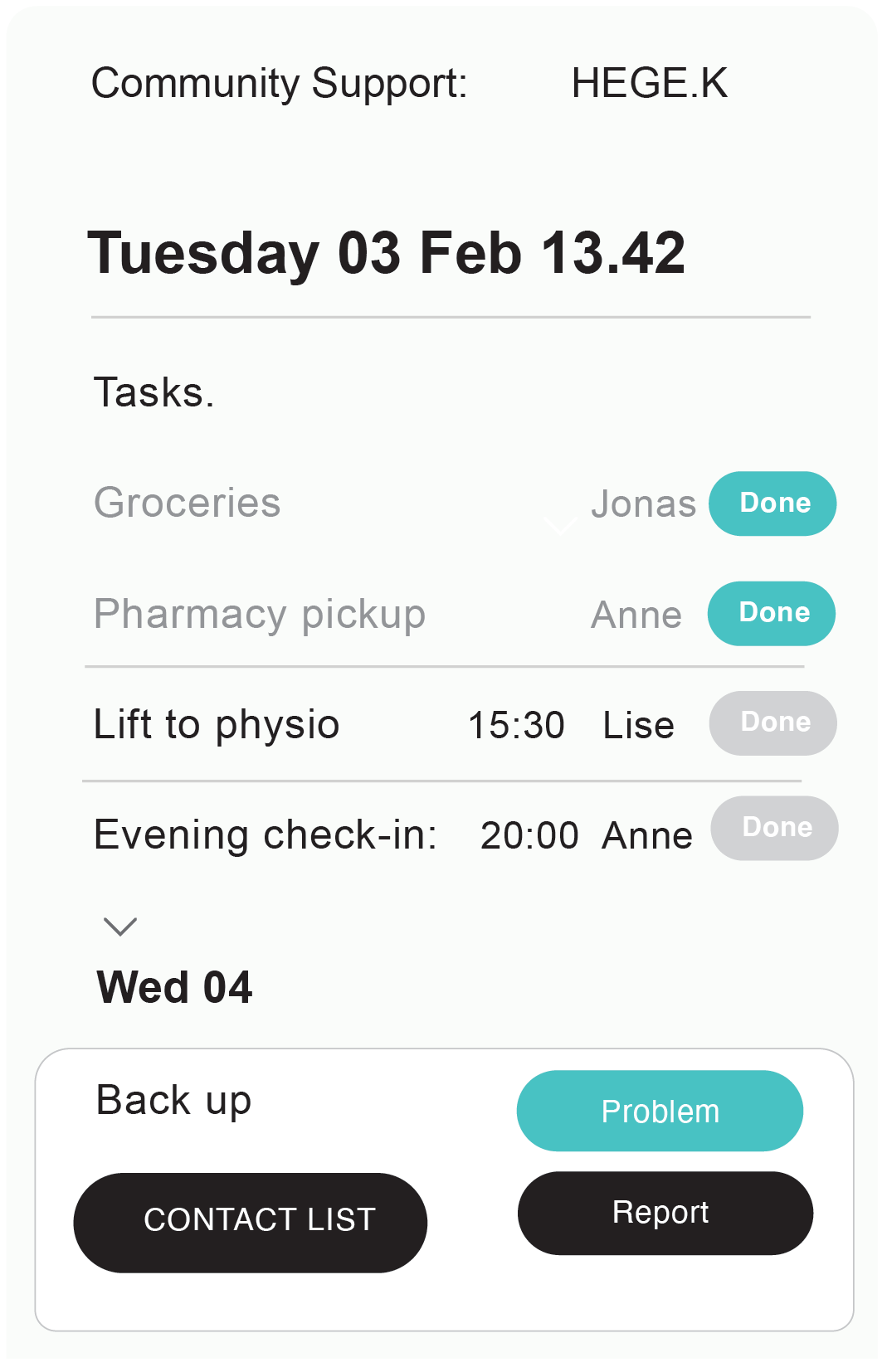
PassePå is built for this kind of non-clinical, practical support — the small actions that keep someone safe and steady at home: a quick check-in, help with shopping, a lift to an appointment, or sorting the house before it becomes overwhelming. The workspace keeps everyone aligned on what’s needed, who’s doing what, and what happened last time — so kindness becomes reliable, not chaotic.

Caregiver support tools
We’re caring for you - as much as your loved one
Practical AI support that helps you plan, communicate and follow through, while also protecting your wellbeing. From visit prep and shared task scheduling to gentle check-ins, escalation guidance, and micro-breaks — PassePå helps you stay calm, consistent, and in control.
Planning & Logistics
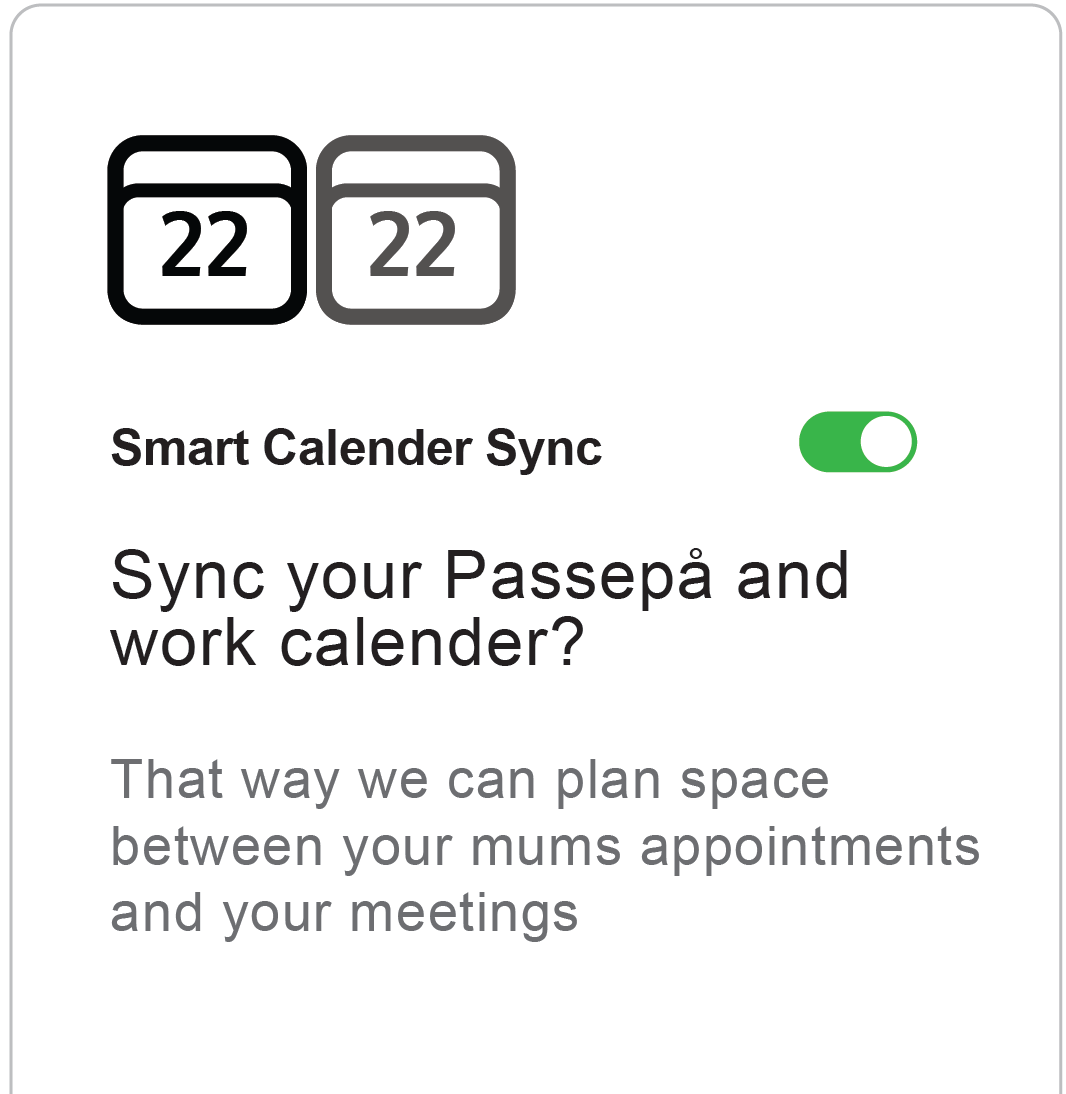
Smart Calendar Sync: Integrates with Google/Apple/Outlook; imports health appointments.
Adaptive Checklists: Dynamic lists for GP, physio, municipal assessments; editable by family.
Situation -Aware Question Generator: AI suggests questions tailored to diagnoses (e.g. dementia, diabetes).
Route & Parking Helper: Built-in map with “nearest parking” and bus options.
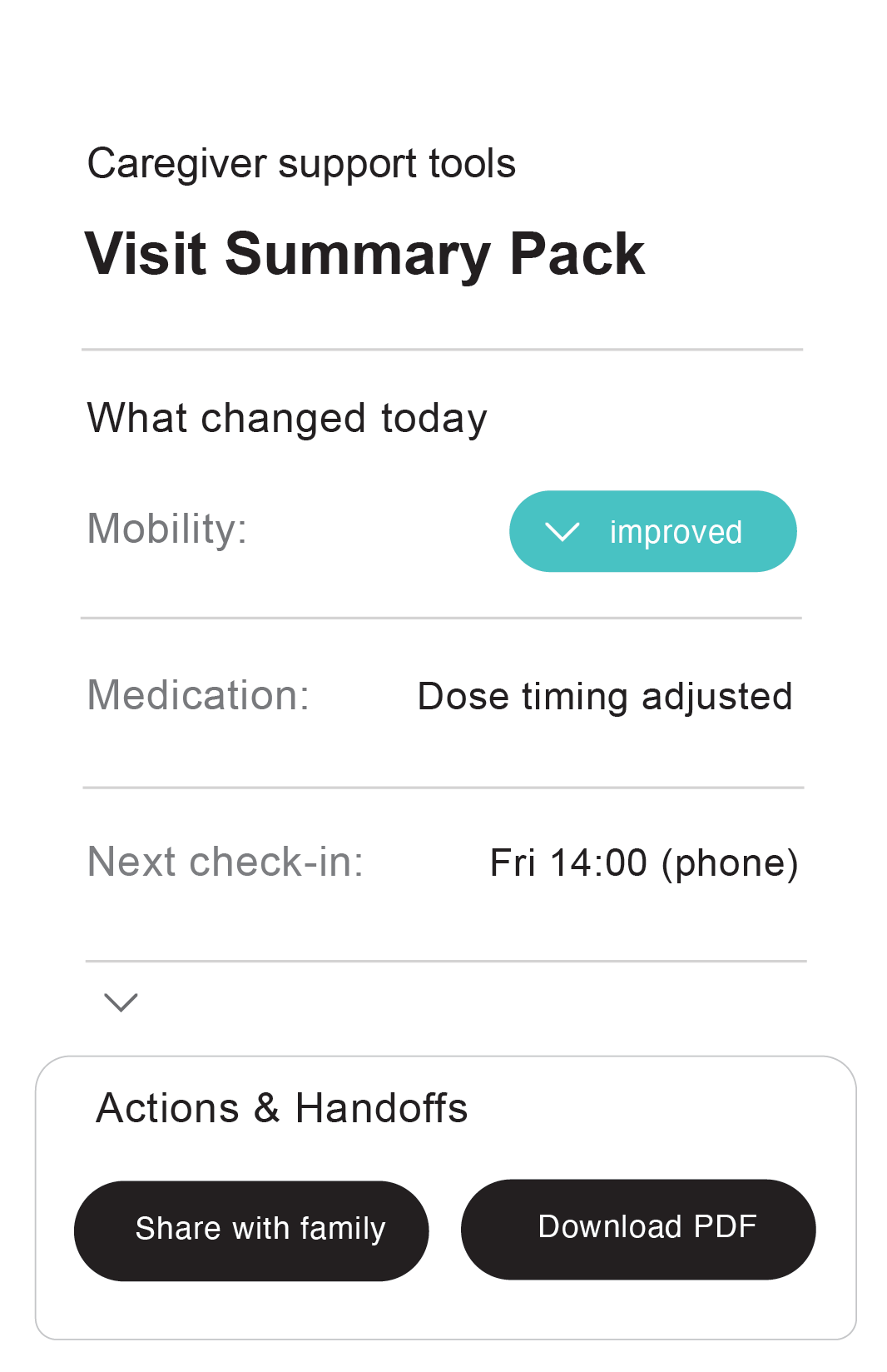
Visit Prep Pack: Auto-compiled PDF/QR with questions, reminders, and care notes you choose to include.”
Home tasks scheduler: groceries, pharmacy pickup, laundry—assign to siblings/neighbors with gentle deadlines.
In-the-Moment Tools
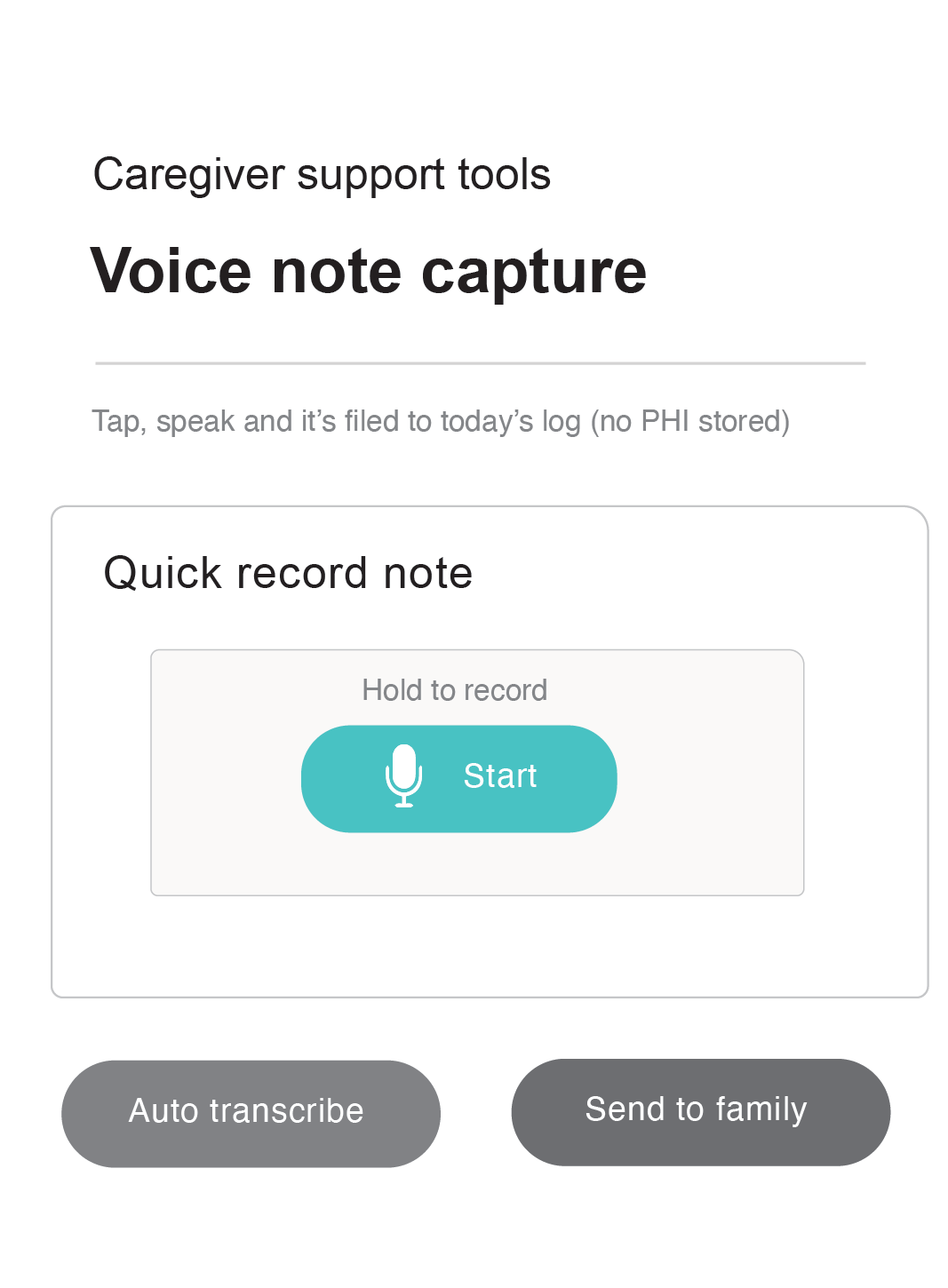
Voice Note Capture: Dictation → auto-structured “Key points / Next step.
Consent Assistent: Displays what data can be shared today; one-tap update with BankID.
Quiet Mode: Silences non-urgent notifications during visits; logs them for later.
Safety & Escalation
Tiered Nudges: gentle notifications to action prompts, caregiver check-in and call guidance
Away Mode: Temporarily shifts responsibility; notifies circle
Emergency Checklist: what to do quick steps for falls, dehydration, confusion etc

Emotional & Mental Wellbeing
Daily Pulse Check: 1-tap “How are you today?” -stress score trend.
Micro-breaks: 2–5 min breathing/audio resets.
Encouragement Nudges: Contextual affirmations (“Great job coordinating today.”).
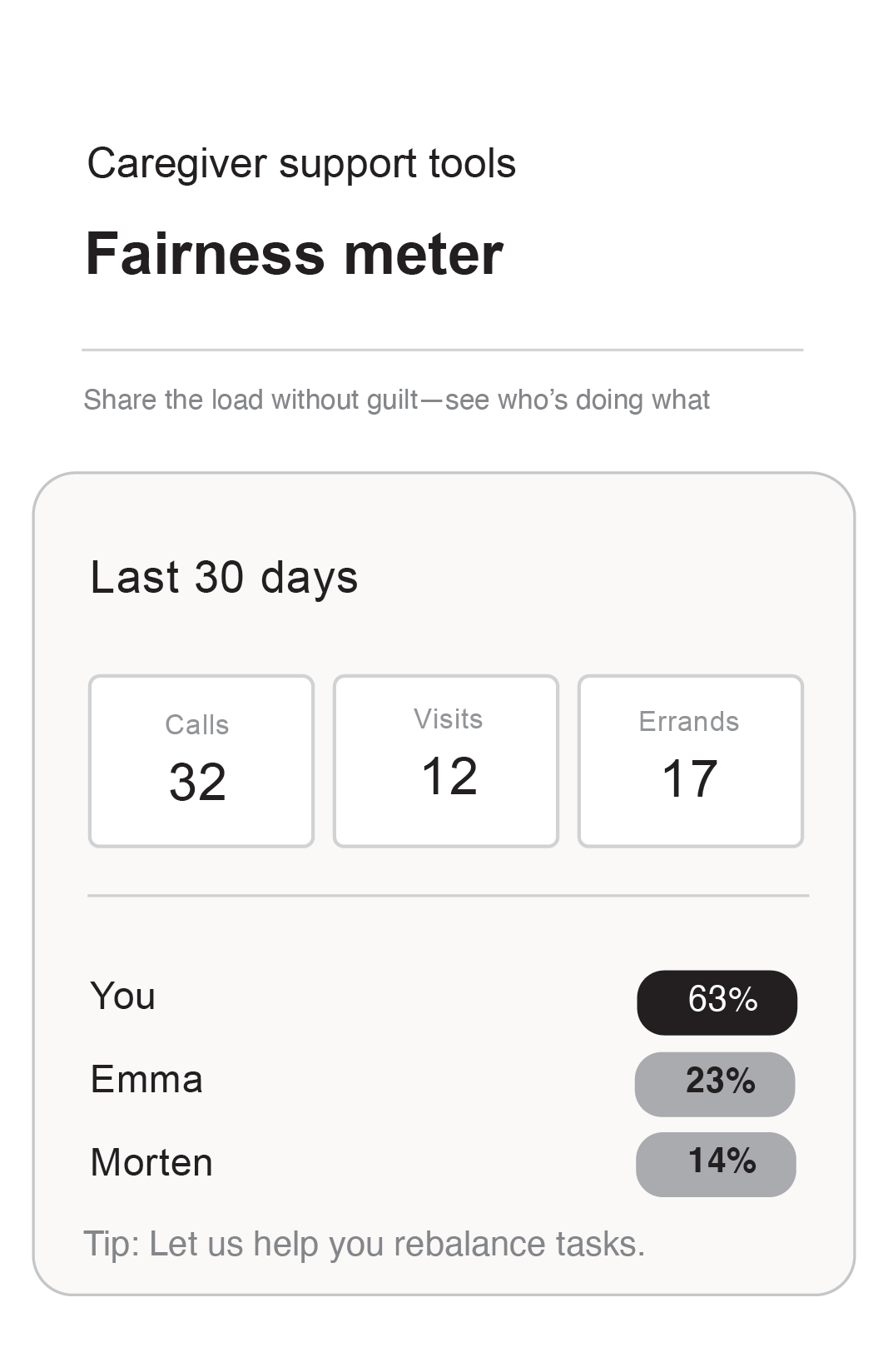
Burnout Detection: AI flags rising caregiver strain, suggests task rebalancing.
Private Journal: Secure, voice/text entries; optional AI reflection.
Emotional Support
Care Circle Kudos: Weekly highlights with prompts to send appreciation.
Fairness Meter: Care load dashboard → suggests redistributions.
Moments of Joy for Caregiver: Positive recap of smiles, photos, progress.
Learning & Guidance
Micro-Lessons: Bite-sized caregiving education (lifting, hydration, communication).
Condition Cards: Pre-visit refreshers with tailored questions.


Concierge & Practical Help
Task Concierge: Integration with services (grocery delivery, transport).
Paperwork Alerts: Reminders for power-of-attorney renewals, municipal deadlines.
Safety Kits: “Third party monitors” with one-tap purchase options.
Care Circle Coordination
Family, friends, and professionals all on the same page. See what happenning and who’s doing what. Track appointments, costs and expenses so everyone’s informed and everthing, transparent.
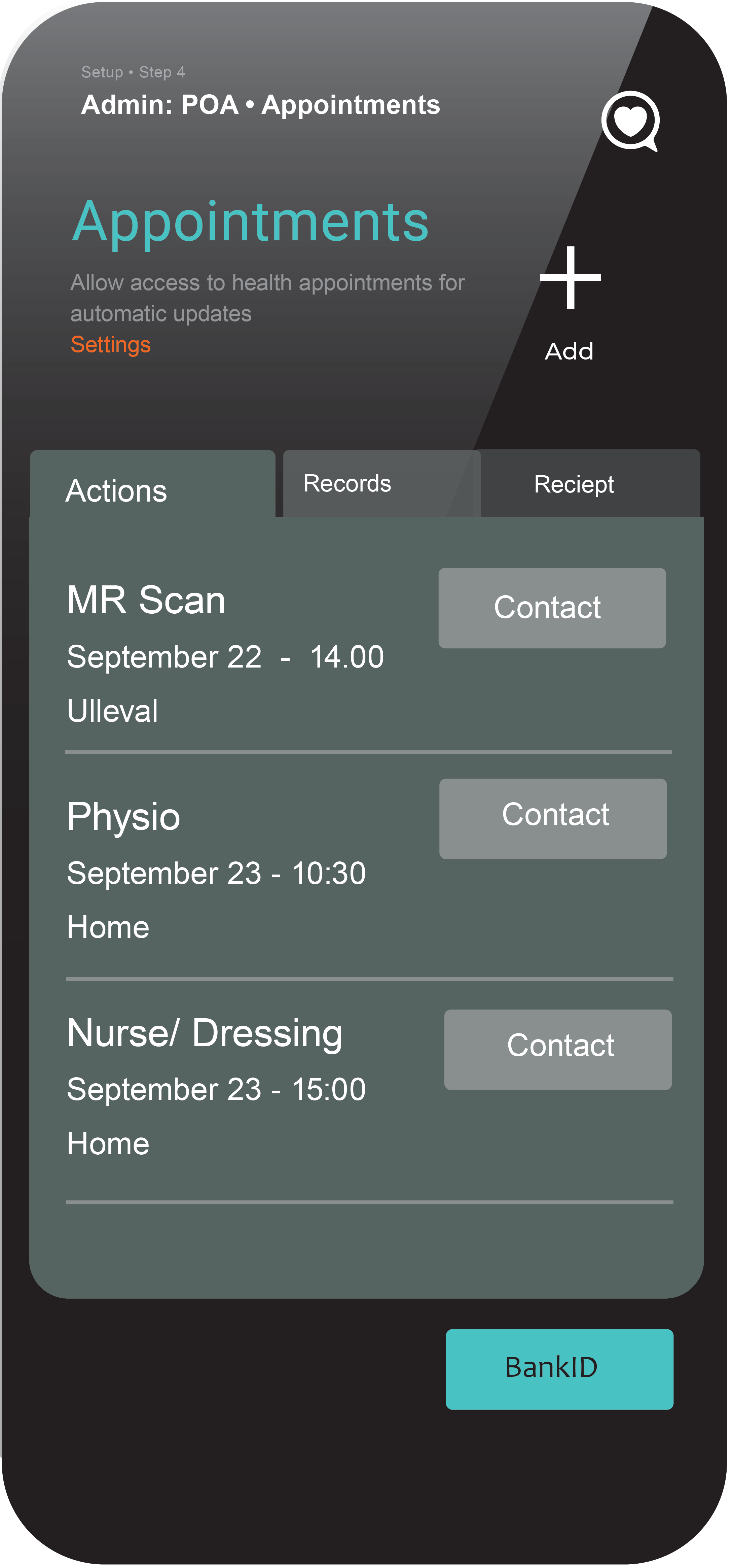
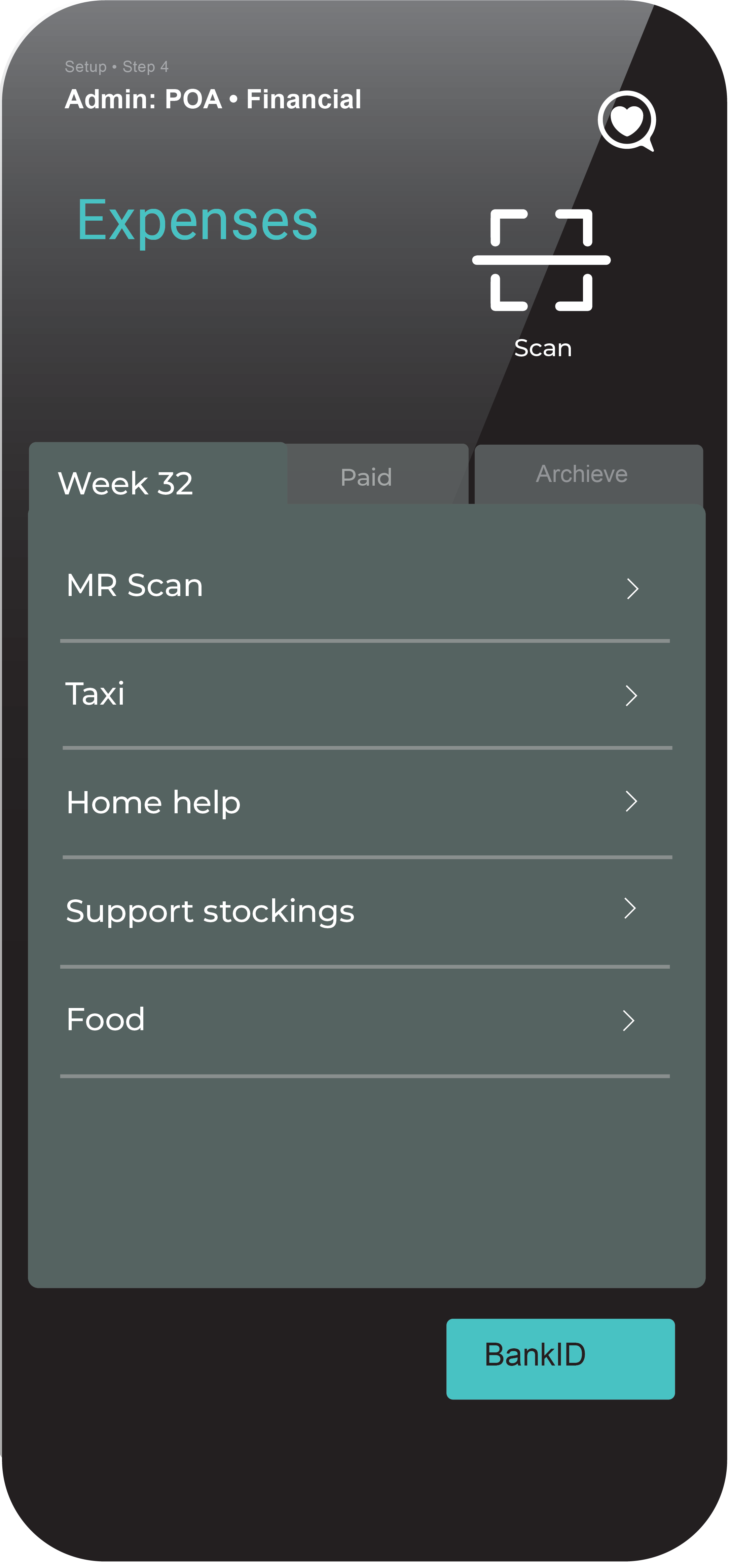
See what changed, share what matters. Record what’s done
PassePå is designed to work alongside Norway’s trusted digital services—so the family care team has a simpler, more intuitive way to coordinate care.
With the loved one’s permission (or an authorised representative where required), caregivers can view official information in the source service’s secure environment and return to PassePå to share what matters and follow up.
Privacy comes first: PassePå stores caregiver notes, plans and permissions—not medical records.

Built to align with the secure Norwegian digital infrastructure
PassePå brings trusted services closer to the caregiver—so you can launch what you need and return to one shared plan without jumping between sites.
AI assistance helps coordinate, draft messages, and summarise changes over time—caregiver-led, with full control over what’s connected and who can see what.


Built on open standards from day one.
PassePå is designed to work with Norway’s digital ecosystem without custom one-offs or lock-in. Interoperability by design: HL7 FHIR interfaces, SMART on FHIR launch patterns, and secure sign-in via ID-porten (citizens) and HelseID (health-sector staff) where supported.
It’s a state-aligned approach that makes integrations repeatable today and future-proof as more Norwegian services adopt the same standards.
PassePå is data-minimised by design. It stores your care plan, caregiver notes, and permissions—but does not store medical records. When available, official health information is viewed in the source service’s secure environment, then you return to PassePå via deep link / return-to-workspace.
Secure welfare-tech infrastructure is provided by Tellu; PassePå is the caregiver-facing workspace.

Feature List
Caring amplifies for you, loved ones and professionals

For Carers:
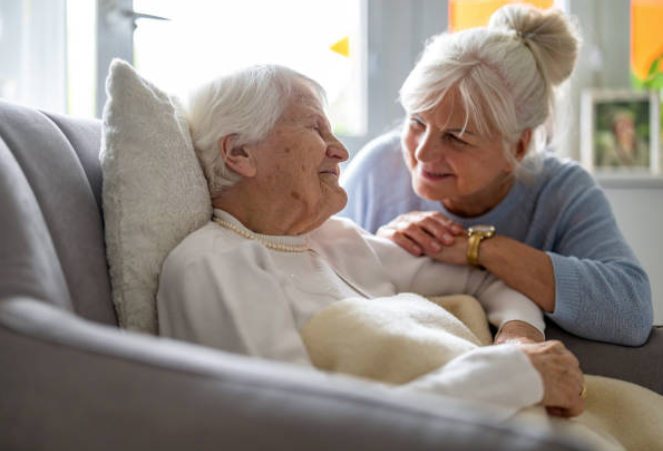
One dashboard for care coordination, routine summaries, legal/financial and coordinated care planning. See what’s being done, where when and by whom.
-
Core Careteam Coordination:
Shared family dashboard - (daily overview: wellbeing, activity, reminders)
Calendar sync - (Google / Apple / Outlook)
Conflict detection - “meeting clashes with hospital visit”
AI-generated texts - reschedule emails or reminders
Smart task lists - shopping, pharmacy, visits, laundry
Taskdelegation- assignto siblings, friends, neighbors
Health & Appointment Support:
Appointment prep checklists (docs, meds, questions)
Doctor visit question generator (condition-aware)
Live voice-note capture + automatic “visit summary”
Medication tracking overview
Consent / power of attorney management hub
Integration with Helseplattformen (read-only, consented summaries)
Emotional & Mental Wellbeing
Daily pulse check (“How are you today?”)
Burnout detection (patterns of stress, late activity)
Encouragement nudges (“You’re doing great. Breathe.”)
Breathing / mindfulness micro-breaks
Private journal with optional AI reflection prompts
Moments of Joy recap (“Mum smiled in today’s photo”)
AI recognition & kudos (“Your sister handled today’s errands”)
Social & Family Dynamics
Care circle coordination hub
Fairness meter (AI suggests re-balancing of care tasks)
Automatic kudos prompts (“Send Anna thanks for the pharmacy run?”)
Shared notes & photos
Moments of Joy timeline for all family members
Concierge & Practical Services
Integrated booking for transport, grocery delivery, cleaning
Paperwork reminders (municipal benefits, power-of-attorney renewals)
Home safety checklist + purchase links (grab bars, lighting, etc.)
Automated household task scheduling
Safety & Support
Tiered alerts (gentle nudge → sibling ping → emergency call)
“Away mode” (temporary reassignment of caregiving)
Red-flag playbooks (“Fall suspected”, “Sudden confusion”)
Contact emergency numbers or municipal nurse directly
For Loved ones:
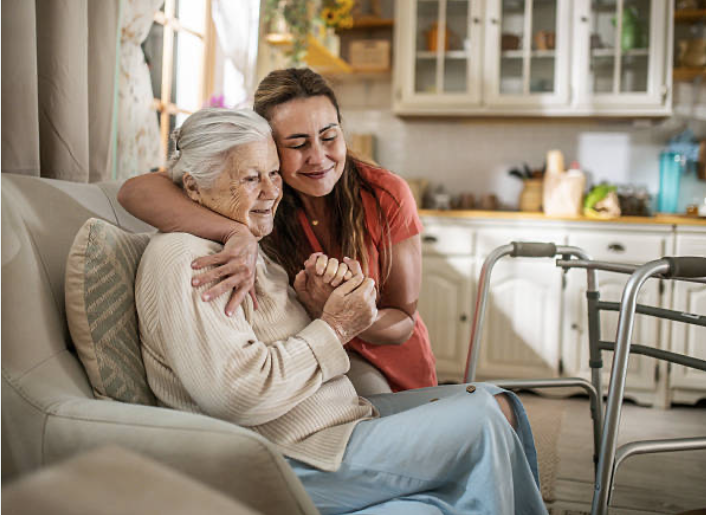
Tools for wellbeing check-ins, social connection and reminders making aging at home simpler, safer, more connected and far less lonely.
-
Wellbeing & Daily Life
Mood check-in
Wellbeing check-ins
Sleep/ movement summaries
Meal and hydration reminders
Medication reminders
Optional smart device integrations
“I’m OK” morning / evening confirmations
Gentle voice reminders
Emotional & Social Connection:
Moments of Joy feed
One-tap video calls •Daily photo slideshow
Voice message exchange
Birthdays & family news
Practical Tools
Simple calendar view
Medication checklist
“Ask for help” button
Detection sensors integration
Power of attorney visibility
Security & Control
BankID login
Full transparency
Consent toggles
Clear privacy messages
For Municipalities:
Integration with existing welfare tech and state health system to reduce pressure on hospitals and care homes. Clearer coordination and family handoffs
-
Overview & Coordination
List of assigned citizens (opt-in, consented)
Status summary (check-ins, routine notes, follow-ups)
Communication feed (non-clinical messages with family)
Export to PDF/CSV for reporting
Interoperability
Secure FHIR-based integration with Helseplattformen (read-only)
Access via NHN infrastructure
BankID / eIDAS-verified professional access
Optional notes back to families (“Home visit done”, “Need refill check”)
Seamless Sensor Integration
From home activity monitors to wearable health trackers. Fall senors to medication dispensors. All collected in one place.
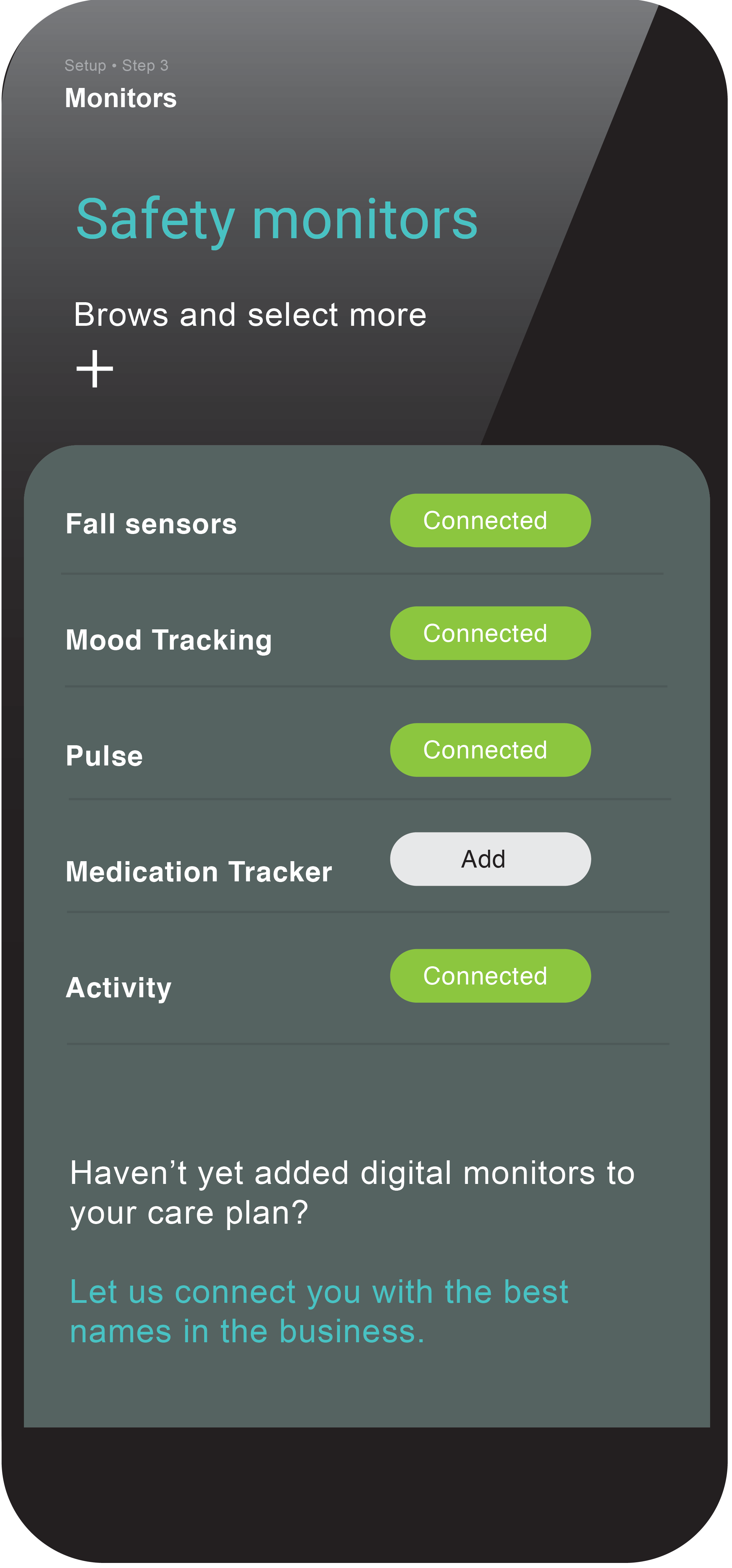
Seamless integration with Norway’s leading caretech providers
Passepå is being designed from the ground up to work seamlessly with the best tried-and-tested care tools already in use in your municipality. And if you haven’t yet incorporated the latest technology into your care plan, we’ll introduce you to some of the most respected providers in Norway. Doing so brings you peace of mind, where ever you are.





Lets get started
Once you’ve downloaded Passepå to your PC and mobile device, you can start adding people, connecting services, and tailoring your family care and support workspace.
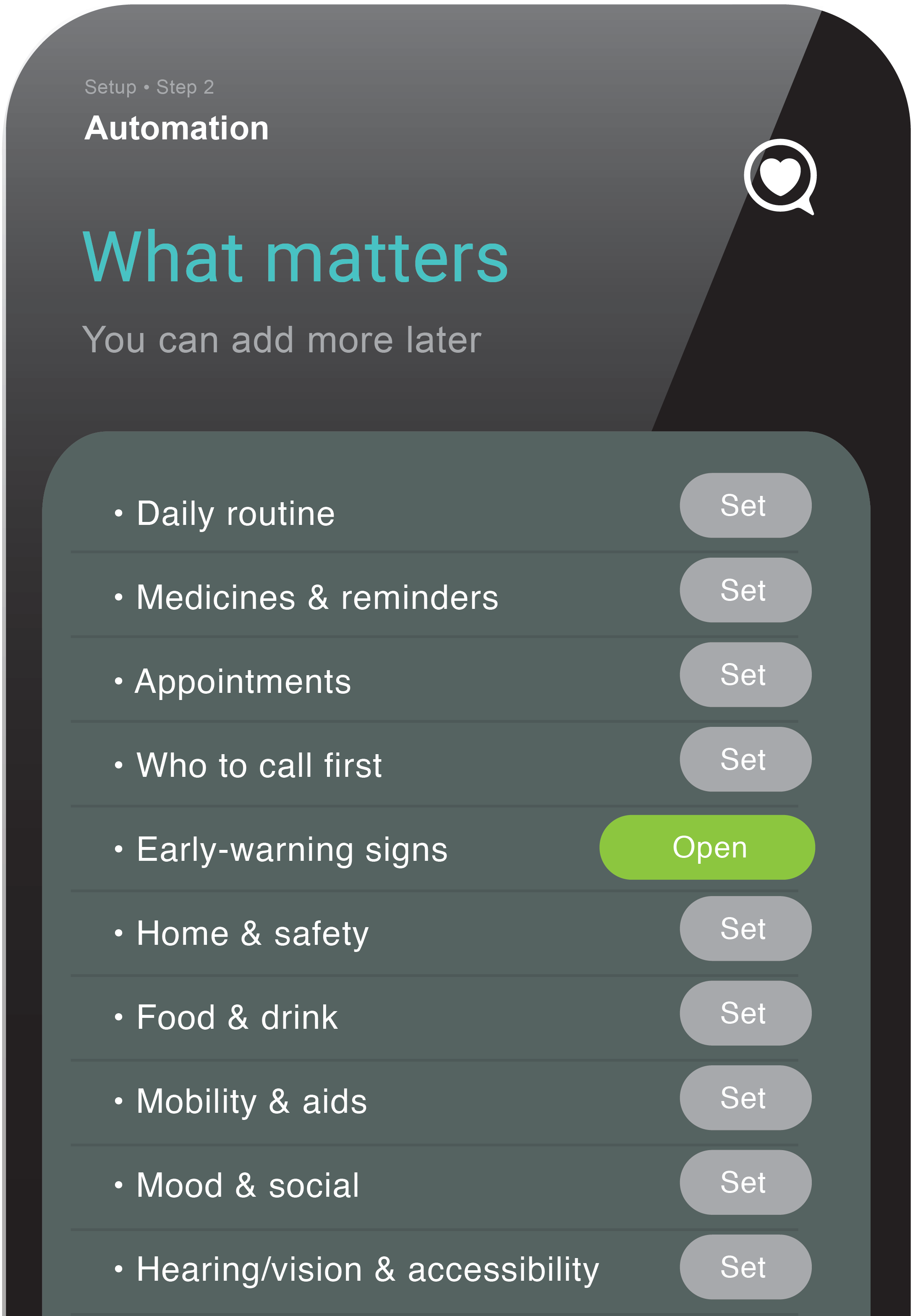
Step 1: Assemble your loved one’s primary care team
You can add your siblings, other family members, close friends, and health professionals to the team and share responsibilities. Add Passepå AI carers to make caring more organised, your life simpler, and your loved one’s life happier.
Your loved one can grant you Power of Attorney to act on their behalf, and our automated care solutions will guide you through the healthcare administration system.

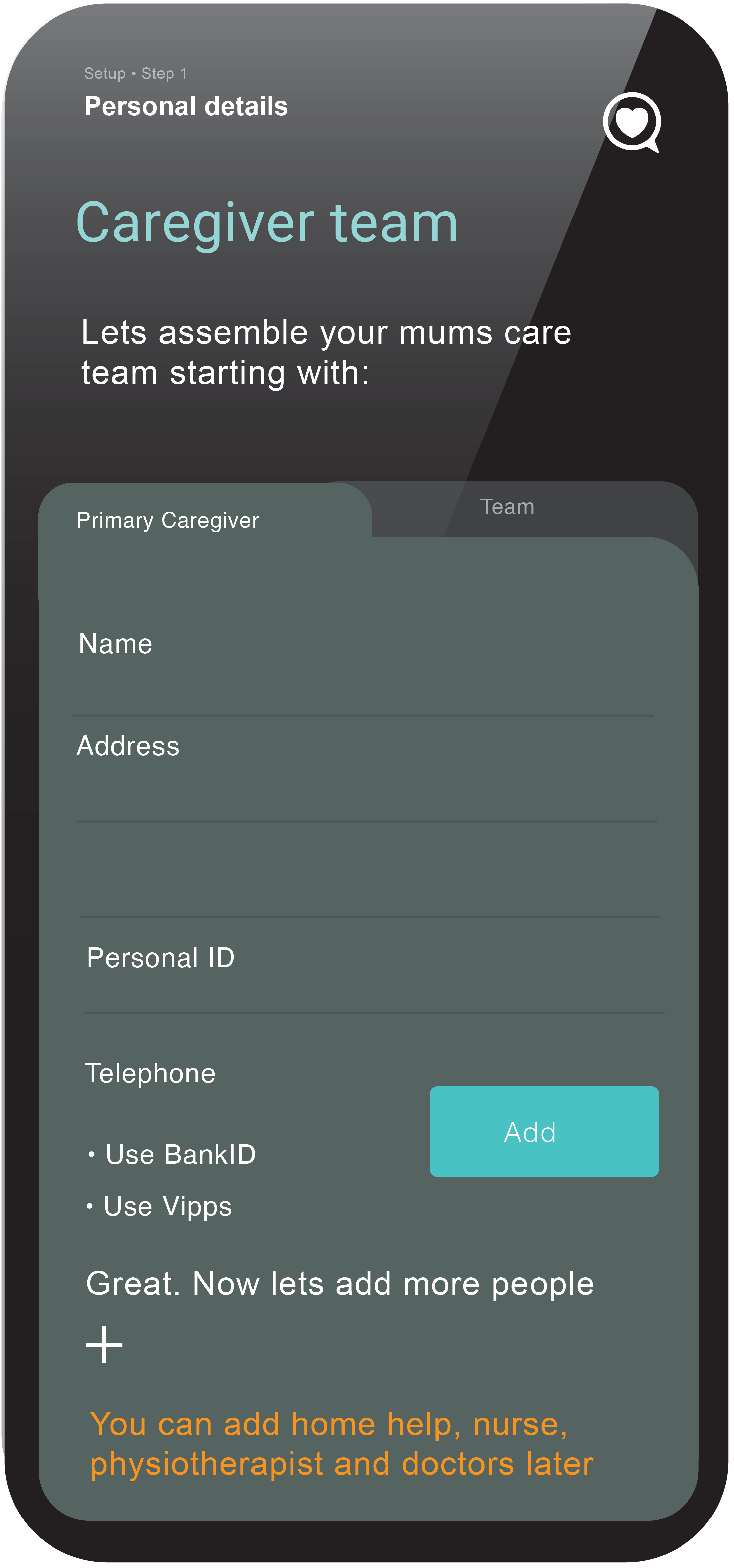
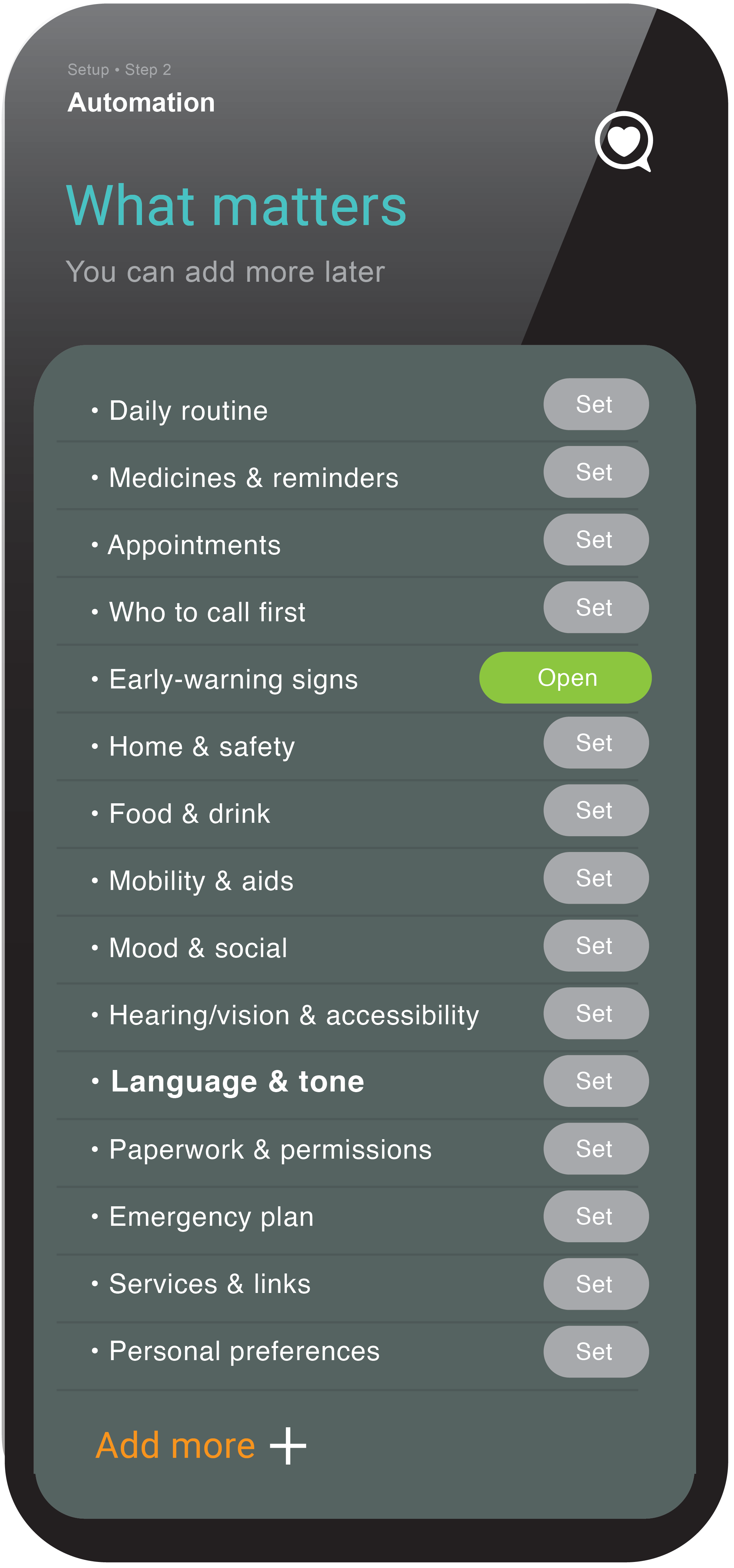

Step 2: Set what matters most
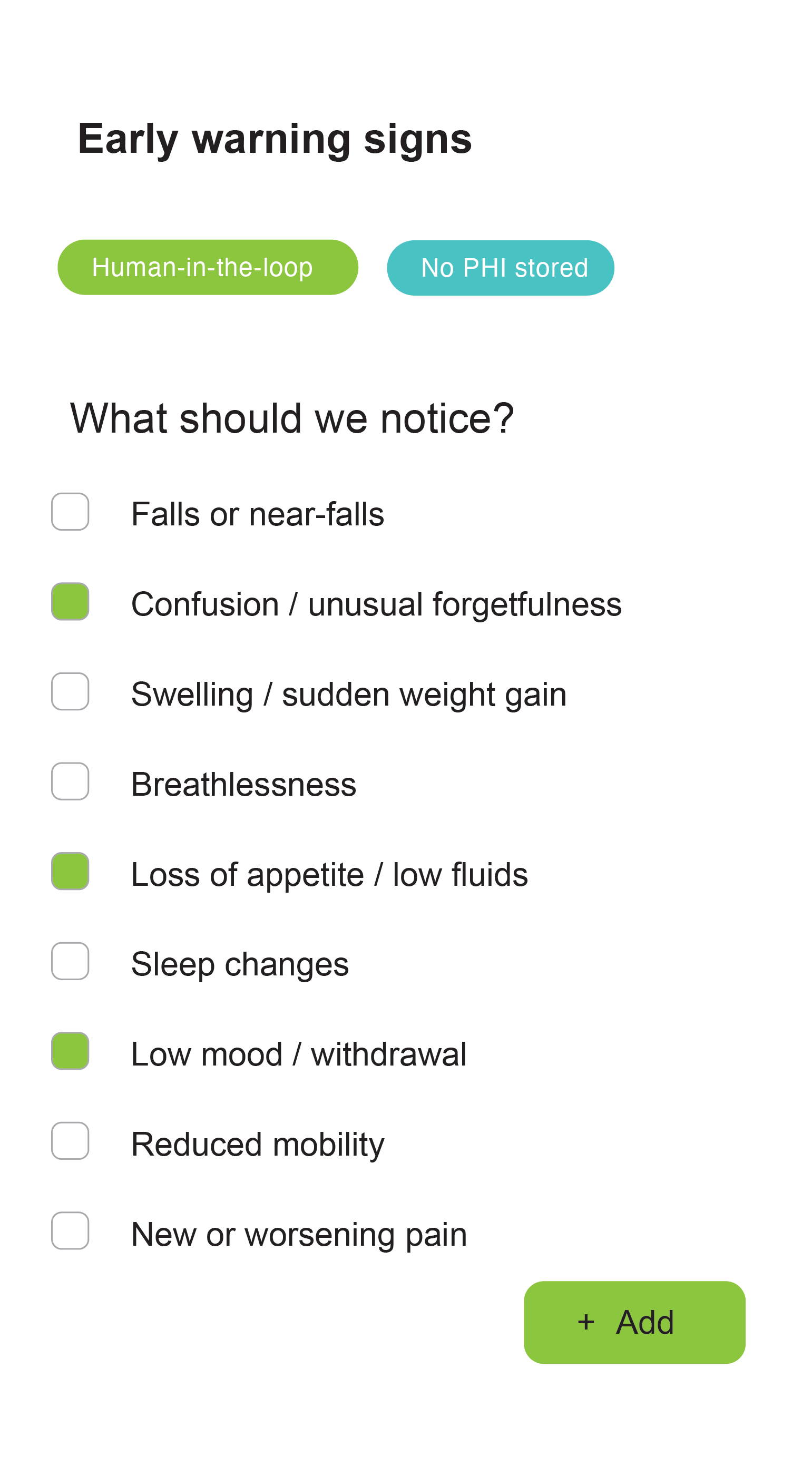
Add daily routines, medications and reminders, upcoming appointments, who to call first, and early warning signs you’d like Passepå to watch for – like changes in sleep or mood. You can start simple, change it anytime, and choose exactly who sees what.

Subscription Access
Monthly
Perfect for short term sickness & caring
350,-
Yearly
Full care of aged family and loved ones. Save 20%
3500,-
Most Popular
Support
Municiple Monthly support for long term caring
180,-
Your data is safe
Passepå does not collect, store or distribute your private data. Once you’ve suscribed to passepå, the primary family care givers and granted Power of attory by your loved one. All health sector infomation is then view in a secure window using and then return to Passepå using deep linking + return-to-app.
How it works
-
No clinical record content (e.g., lab results, imaging, GP notes.
No passwords for health portals.
No third-party sale or sharing of your data.
No “off-shore data harvesting”.
-
Basic account info (e.g., your name/email).
Who’s in your care circle (e.g., daughter, neighbour) and their contact details.
Simple activity events (e.g., “link opened”, “reminder set”, “check-in completed”).
Optional notes/tasks you choose to save.
Everything is encrypted in transit and at rest.
-
Only people you invite (e.g., a primary family caregiver with power of attorney or documented consent) can view or act in Passepå.
You can add or remove people at any time.
Every action is tied to a person, so you can see who did what.
-
Passepå can notice patterns (missed meds, changes in routine) and suggest a next step.
A human decides whether to escalate: a family member, a neighbour in your circle, or a nurse/clinician.
-
Non-custodial by default: view official records in official systems; keep Passepå light.
Standards-ready: ID-porten/HelseID today; FHIR/SMART app-launch where partners support it.
Privacy by design: role-based access, audit trail, DPIA/DPA templates, incident playbook.
-
Download or delete your Passepå account data on request. Revoke access for any person in your care circle. Turn notifications on/off, choose app/voice/SMS. Ask questions anytime: dpo@passepa.no
-
Auth: OpenID Connect (OIDC) / OAuth 2.0 with PKCE via ID-porten/HelseID.
Browser: system browser (not an embedded webview) for stronger security.
Privacy: no PHI (health record content) persists on Passepå servers.
Security: TLS everywhere; encrypted storage; least-privilege access; regular reviews.
Interop: Deep link + return-to-app today; SMART on FHIR app-launch where available.

For investors
Become a part of a project that’s set to change how we’re going to look after our parents - or how are kids are going to look after us.
The Situation
Three forces are colliding: more older adults, fewer hands, tighter budgets. The only scalable answer is to support families earlier with clearer coordination and faster follow-up—so existing services can focus where they’re needed most. That’s what Passepå enables.
Passepå is the Care Team Workspace for family caregivers supporting ageing at home—caregiver-led check-ins, shared updates, and warm handoffs that keep families and municipalities on one plan. Non-clinical by design—Passepå does not store medical records; official health info is viewed in the source service (not stored), aligned with Norway’s standards (ID-porten / HelseID where relevant, HL7 FHIR, SMART on FHIR patterns).
In brief
Problem
Care demand is rising faster than staffing.
Home-first policy shifts more coordination to families and frontline teams.
Today’s tools are fragmented and don’t translate into clarity for families.
Why now
“Bo trygt hjemme” (the Norwegian title for the international Ageing in Place policy) prioritises earlier support and home-based care.
Standards (ID-porten / HelseID where relevant, HL7 FHIR, SMART on FHIR patterns) make integrations simpler.
Public trust favours privacy-first solutions (no off-shore data harvesting).
Product
One calm flow: shared check-ins, reminders, contact guidance, and a shared plan.
Routine shift highlights: simple trends (routines, confirmations) help caregivers decide when to follow up.
Warm handoffs: clear summaries for the care circle and municipal contacts (when involved).
AI-assisted support for caregivers: organise, summarise, and reduce mental load (human-led).
Open-and-return: view official health information in the source service’s secure environment, then return to Passepå.
For municipalities
Fast to pilot: light integration, early signals on adoption and workload impact within weeks.
Capacity unlock: fewer avoidable contacts; clearer handoffs to the right team.
Governance: HITL by default, governance-ready logging for shared-workspace actions, DPIA/DPA templates, standards alignment.
Privacy & safety
Data-minimised: no medical records stored; caregiver notes and plans stay in Passepå.
Identity: ID-porten/HelseID (OIDC + PKCE; FAPI-aligned).
Standards: FHIR/SMART for future interoperability.
AI posture: assistive, human-in-the-loop; no autonomous clinical decisions.
Go-to-market
Beachhead: innovation-forward municipalities + partner clusters.
Bottom-up pull: families adopt; municipal teams standardise.
Partners: caretech infrastructure providers (subject to agreement).
Business model (ARR streams)
Family subscription (monthly/annual) per care-circle workspace
Municipality/health authority-funded subscriptions per family case
Add-on extension packs + rollout services (training/evaluation/integration support)
Roadmap
Now (0–6 mo): municipal pilots, fairness meter, paperwork reminders, calendar sync.
Next (6–12 mo): SMART on FHIR launch where supported; expanded caregiver training.
Later (12–24 mo): outcomes dashboards; evidence packs using governed FHIR access where supported (no data warehousing).
Moat
Policy fit: built for Bo trygt hjemme.
Trust moat: privacy-by-design, non-custodial architecture.
Execution moat: timing + handoffs (not feature sprawl), with standards baked in.
What we’re raising
Use of funds: municipal rollouts, evidence generation, integrations, accessibility & inclusion features.
KPIs: pilot - rollout conversion, cost-to-serve, outcome deltas (contacts, unplanned escalations, missed routines, caregiver burden.)
Contact
Investors & partners: investors@passepa.no
Municipalities: kommune@passepa.no
Policy & Evidence
Why Passepå matters
Passepå exists because Norway is asking families and municipalities to do more with less — while the daily coordination burden quietly shifts onto ordinary people. The evidence is now clear: family caregiving is increasingly digital, administrative, and time-intensive — and it’s already affecting work life and service pressure.
Norwegian policy alignment
“Bo trygt hjemme” — the direction is explicit
Norway’s Bo trygt hjemme reform aims to help older people live safely at home longer, and to delay the need for health and care services through better planning, prevention, and more targeted services — while improving use of personnel and resources.
https://www.helsedirektoratet.no/om-oss/forsoksordninger-og-prosjekter/bo-trygt-hjemme
Municipal scaling is part of the intent
KS frames Bo trygt hjemme as developing sustainable local communities and services, and spreading good solutions across municipalities — i.e., scaling what works, not reinventing it in every kommune.
https://www.ks.no/fagomrader/velferd/bo-trygt-hjemme
Digital-health infrastructure context
Government strategy: step-by-step digitalisation + trusted national services
The government describes national e-health solutions (including Kjernejournal / Helsenorge) as key infrastructure for digital interaction and information access. This underlines the strategic direction: continue building secure national rails while improving coordination and usability for citizens.
What this means for Passepå’s approach
Passepå’s stance — non-clinical by design (no medical records stored), with “open-and-return” viewing in source services — fits the direction of keeping official health data in official environments while still helping families coordinate actions around it.
Evidence the caregiver burden is already “digital admin”
OsloMet: digital help is now the most common help adult children provide
OsloMet research (NOVA – Norwegian Social Research) found that helping parents with online tasks is now the most common type of help working adult children provide — including smartphones, online banking, and accessing public-sector digital information.
https://www.oslomet.no/en/research/featured-research/digital-help-from-children-to-elderly-parents
OsloMet: “half of older people need help paying a bill”
OsloMet also highlights that many older people need assistance to do basic digital tasks such as paying a bill via online banking and navigating services like Helsenorge — and frames this as a fast-moving digitalisation issue.
https://www.oslomet.no/forskning/forskningsnyheter/eldre-hjelp-betale-regning
Why this matters: Passepå isn’t solving “medical care.” It’s solving the coordination layer around everyday life, admin and follow-up — the part families are already doing.
Loneliness & social isolation (health impact, not just wellbeing)
Loneliness is not only a quality-of-life issue — it’s a measurable public-health risk. Social connection protects health, while social isolation increases the risk of illness and premature death.
A large Norwegian study based on the NorLAG survey (OsloMet / NOVA), following close to 10,000 Norwegians over around 20 years, found that older adults who were more socially isolated — defined as living without a partner and/or having infrequent contact with children, family and friends — had an approximately 15% higher risk of early death. The analysis pointed to two drivers as especially important: not having a partner and infrequent contact with children.
https://www.oslomet.no/en/research/featured-research/elderly-no-partner-early-death
In the same OsloMet write-up, there is also an additional finding: in this dataset, men who reported feeling lonely “sometimes” or “often” showed around a 20% higher mortality risk during follow-up, even when accounting for social isolation.
At a global level, the World Health Organization (WHO) summarises a broad evidence base showing that social isolation and loneliness affect both physical and mental health, quality of life, and longevity — and that strengthening social connection is a legitimate health intervention.
https://www.who.int/teams/social-determinants-of-health/demographic-change-and-healthy-ageing/social-isolation-and-loneliness
https://www.who.int/news/item/30-06-2025-social-connection-linked-to-improved-heath-and-reduced-risk-of-early-death
Why this matters for Passepå: caregiver support is not only about tasks and admin. For many older adults, family contact is also the most important protective factor against isolation — and coordination tools that enable frequent, warm, low-friction contact can reduce risk earlier, before situations become acute.
Evidence caregiving pressure leaks into the workplace
OsloMet: some formal absence is actually sick leave used for caregiving
OsloMet research on working adults caring for older parents reports increased work absence among those helping parents, and finds that more than a third of formal absence (in their categorisation) was via the sick-pay scheme being used to provide care.
https://www.oslomet.no/forskning/forskningsnyheter/hjelp-gamle-foreldre
Why this matters: this is a societal cost signal. If families need to “borrow” sick leave to cope, coordination and support tools that reduce friction earlier are not a nice-to-have.
Research direction: Ageing in place needs better “preconditions,” not just services
OsloMet research programme: “Enabling Ageing in Place”
OsloMet’s AgePlace project explicitly targets the preconditions for safe ageing in place (2024–2027), reinforcing that “ageing at home” is not only about services — it’s about the conditions that make home-based living safe and sustainable.
https://www.oslomet.no/en/research/research-projects/ageplace
Market reality: home follow-up is growing, but it’s service-led
Nasjonalt senter for e-helseforskning describes digitally following up patients at home as often organised by municipalities, typically for patients with chronic conditions and risk of deterioration.
https://ehealthresearch.no/en/digitally-following-up-patients-at-home/p7
Passepå’s gap claim: home follow-up can be clinically organised, but the family coordination layer (roles, routines, handoffs, “what changed?”) still remains fragmented — and that fragmentation spills into municipal workload and caregiver stress.
Global alignment
UN Sustainable Development Goals
“Ageing in place” and caregiver support map naturally to:
SDG 3: Good Health and Well-Being
SDG 10: Reduced Inequalities
SDG 11: Sustainable Cities and Communities
SDG 17: Partnerships for the Goals
WHO + UN Decade of Healthy Ageing (2021–2030)
The UN Decade of Healthy Ageing (2021–2030) is led by World Health Organization and focuses on improving the lives of older people, their families and communities — with emphasis on coordinated action across sectors.
https://www.who.int/europe/news/item/06-01-2021-decade-of-healthy-ageing-2021-2030